Categories
Uncategorized

Spotting Roof Drainage Issues Before They Lead to Damage

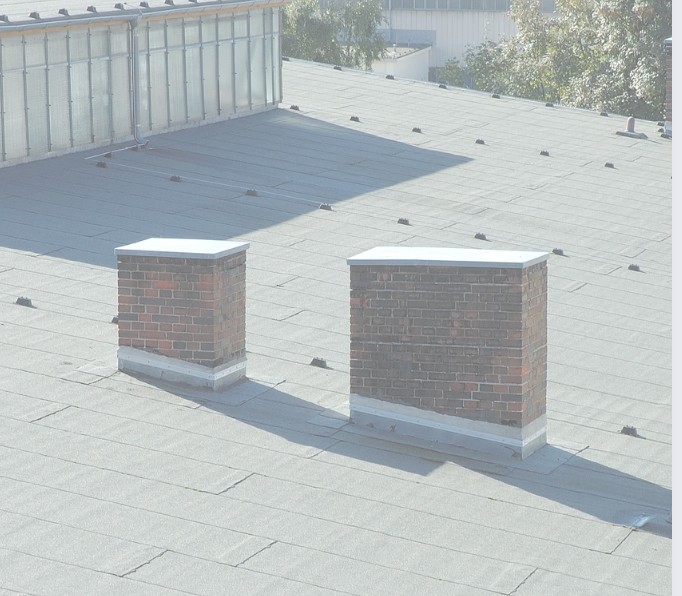
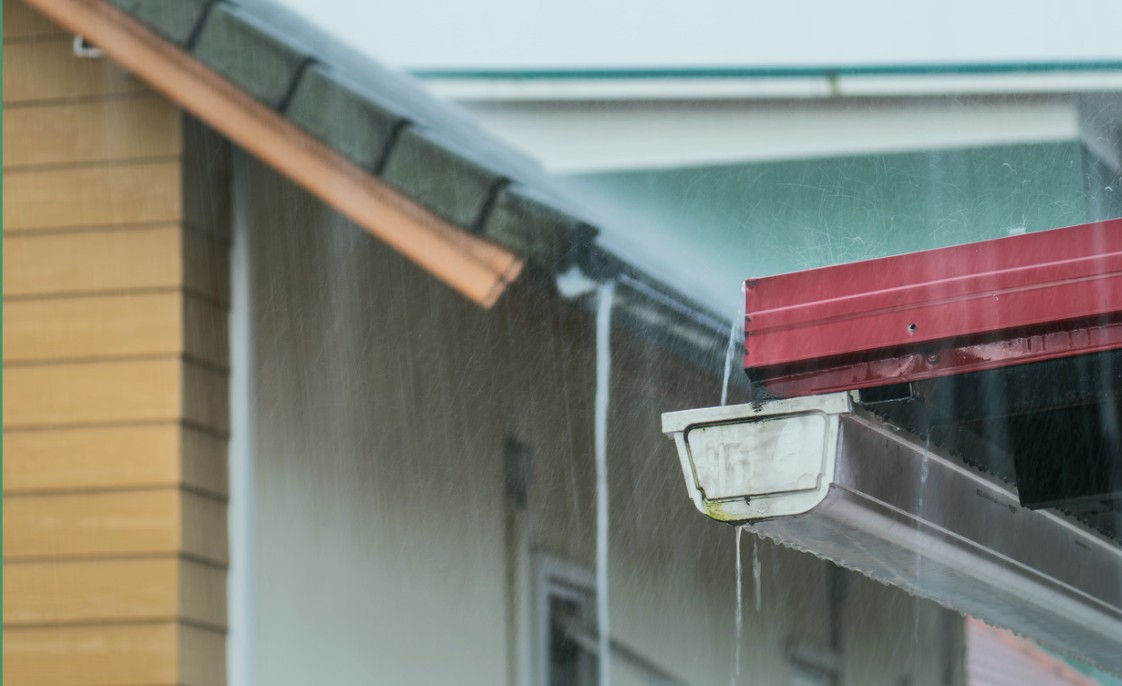
Florida’s sudden downpours can put any roof to the test, especially flat or low-slope commercial roofs. When water can’t drain properly, it pools, seeps, and eventually damages insulation, decking, and interior spaces. The good news? You can spot drainage problems early with the right inspections and maintenance plan.

Why Roof Drainage Matters

Your roof’s job isn’t just to keep water out—it’s to move water away. When drainage systems like scuppers, drains, or gutters get clogged, or when slopes flatten over time, water begins to pond. And once ponding starts, the damage follows.

Ponding water can:

  • Break down roofing membranes
  • Add extra weight that strains structural components
  • Accelerate leaks at seams and penetrations
  • Encourage algae or mold growth

According to the National Roofing Contractors Association, even small amounts of standing water can dramatically reduce a roof’s lifespan.

Early Warning Signs to Watch For

  1. Visible Ponding: Water that lingers 48 hours or more after rain.
  2. Discoloration or Staining: Dark areas on the membrane or near the drains.
  3. Cracked or Blistered Membrane: Resulting from constant water exposure.
  4. Sagging Roof Areas: Indicates deck deterioration or insulation compression.
  5. Overflowing Gutters or Downspouts: Often due to blockage or improper slope.

How to Fix and Prevent Drainage Problems

  • Regular Cleaning: Remove leaves, dirt, and debris from roof drains and gutters at least quarterly, and more often after storms.
  • Check Slope: Ensure water flows toward drains. Ponding may signal a low spot that needs resloping or tapered insulation.
  • Install Secondary Drains or Scuppers: Especially important for large flat commercial roofs.
  • Seal Around Penetrations: HVAC units, vents, and skylights are common sources of leaks.
  • Schedule Professional Inspections: A trained eye can identify weak spots early before leaks start.

Ignoring drainage problems may not only cause expensive repairs but also affect insurance coverage and tenant operations. Routine roof maintenance can help you plan budgets, extend roof life, and ensure compliance with warranty requirements.
Categories
Uncategorized

Flat Roof Systems 101: What Commercial Property Owners Need to Know

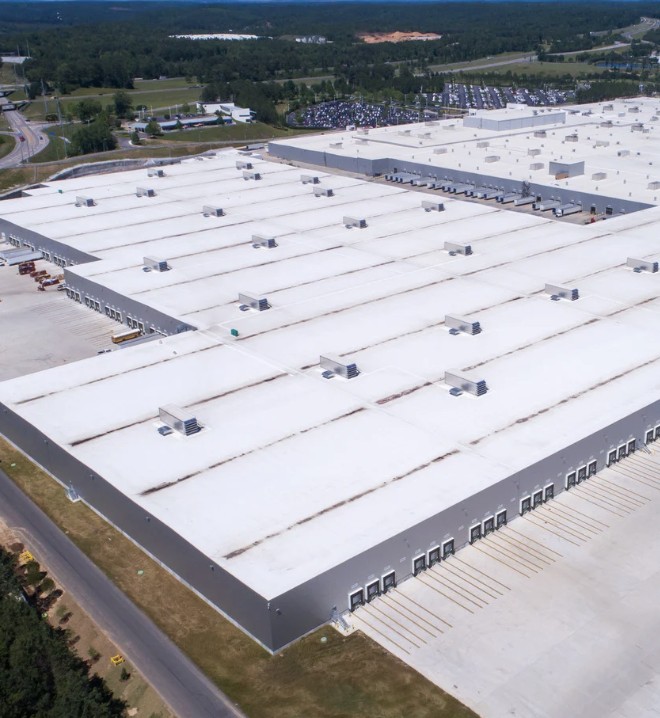
When you own or manage a commercial property in Florida, your roof isn’t just a cover. It’s also a critical system protecting your investment, tenants, and equipment from relentless sun and rain. Choosing and maintaining the right flat roofing system is key to long-term performance and cost control.

Let’s look at the most common types of commercial flat roof systems and what you should know before your next inspection, repair, or replacement.

TPO Roofing (Thermoplastic Polyolefin)

TPO is one of the most popular flat-roof materials used across Florida.

Why: It’s white, reflective, and energy-efficient — helping reduce cooling costs in Florida’s heat.

Lifespan: 20–30 years with proper installation and maintenance.

Maintenance: Annual cleaning and seam checks to prevent dirt buildup and UV wear.

Learn more about TPO performance standards from the National Roofing Contractors Association.

PVC Roofing (Polyvinyl Chloride)

PVC membranes offer a similar look to TPO but are reinforced for extra strength.

Why: Excellent chemical and fire resistance make it ideal for restaurants, manufacturing facilities, and other buildings with exhaust or grease exposure.

Lifespan: 25–35 years.

Maintenance: Routine inspections of seams, flashings, and any rooftop equipment penetrations to ensure watertight performance.

Modified Bitumen Roofing

Modified bitumen is an asphalt-based system layered with polymers for flexibility.

Why: It performs well on low-slope roofs and stands up to foot traffic and temperature changes.

Lifespan: 20 years on average.

Maintenance: Annual inspections to check seams and recoat surfaces for UV protection.

The International Institute of Building Enclosure Consultants notes that proper application and sealing are essential for long-term modified-bitumen durability.

Choosing the Right System

Your ideal roofing material depends on:

  • Building use: retail, warehouse, office, restaurant, etc.
  • Foot traffic: how often crews or equipment access the roof.
  • Budget and life-cycle cost: sometimes a slightly higher-priced system pays off in longevity and energy savings.
  • Existing structure: whether your deck can support certain weights or attachment types.

A professional roofing contractor can evaluate slope, drainage, and insulation needs to recommend the best system for your property.

Maintenance: Protecting Your Investment

No matter which system you have, flat roofs require routine maintenance:

  • Clean debris and drains quarterly.
  • Inspect seams, flashings, and penetrations.
  • Check for ponding water after heavy rain.
  • Schedule annual professional inspections.
  • The Roofing Alliance reports that proactive maintenance can extend commercial roof lifespan by 30–50%.

A well-built, well-maintained flat roof keeps your operations running smoothly and your property protected year-round. Reach out to me for a FREE roof inspection!

Categories
Uncategorized

Does Your Roofer Get in the Attic? Why It Matters More Than You Think

When it comes to a roof inspection, most homeowners picture someone walking around on top of their house looking for missing shingles, cracks, or damage. But a thorough roof inspection doesn’t just happen above your head, it happens underneath it, too. If your roofer skips the attic, they could be missing some of the most telling signs of roof trouble.

The attic is the bridge between your living space and your roof system, and it can reveal issues invisible from the outside. During an inspection, a qualified roofer should always check inside your attic for:

  • Water stains or moisture buildup that signal roof leaks or condensation problems.
  • Mold or mildew caused by trapped humidity or poor ventilation.
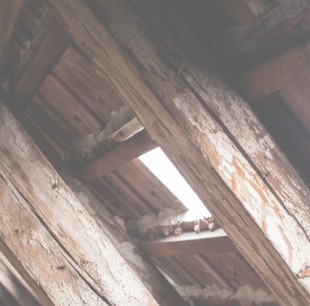
  • Daylight coming through are signs of small gaps or penetrations where water could enter.
  • Insulation damage that can reduce energy efficiency and point to roof or vent leaks.
  • Ventilation performance – whether warm air is escaping properly or getting trapped, which shortens roof life.

Skipping the attic means missing the early warning signs that can help you avoid thousands in repairs down the road. Proper ventilation is one of the most overlooked elements of a healthy roof.

In Florida’s humid climate, hot attic air and trapped moisture can bake shingles from underneath, cause plywood to warp, and even lead to mold growth inside your home.

A good roofing contractor will check for:

  • Balanced intake (soffit) and exhaust (ridge or roof vents)
  • Signs of moisture condensation on nails, rafters, or decking
  • Blocked vents or animal nests limiting airflow

That’s why any inspection that includes a roof replacement estimate should also include a look inside the attic — it’s how roofers ensure your entire roofing system (not just shingles) is performing properly.

For more on attic ventilation science, see the U.S. Department of Energy’s guide on Roof and Attic Ventilation.

Even if your roof looks fine from the outside, you should schedule an attic check if you notice:

  • Musty smells or signs of mold
  • Peeling paint on ceilings or walls
  • Higher-than-usual energy bills
  • Rusted nails or damp insulation
  • Spots or streaks on ceiling drywall

These small signs often point to ventilation or moisture issues that only a close attic inspection can confirm. Whether you’re replacing your roof or checking for leaks, make sure your roofer gets in the attic — that’s where the real story begins!

Categories
Uncategorized

How the “My Safe Florida Home Program” Can Help You Upgrade Your Roof — And Save on Insurance

If you live in Florida, you’re no stranger to the intensity of our weather. Wind storms, heavy rain, hurricane threats — all of that can take a toll on your roof. The good news? There’s a state-run program called the My Safe Florida Home Program (MSFH) that offers a major opportunity: grants of up to $10,000 to eligible homeowners for hurricane-resistant upgrades — including improvements to your roof.

Why this matters for your roof

  • Upgrades covered by the program include things like “roof-to-wall attachment,” “roof deck attachment,” and “secondary water resistance” — all critical to making your roof more durable under wind and water exposure.

  • Not only does proper mitigation help your home withstand storms better, but it also can reduce your homeowners’ insurance premiums. Many homeowners see savings of approximately $1,000 per year once upgrades are made.

  • The program is first-come, first-served. In previous years, funding has been exhausted quickly.

How the process works:

  1. Free inspection – You apply through the MSFH website and receive a free wind-mitigation inspection of your home.

  2. Inspection report – The inspector identifies any necessary upgrades (roofing included) to strengthen your home.

  3. Choose a contractor – Once approved, you select a licensed, registered contractor to perform the work. The upgrades must be those specified in your inspection report.

  4. Perform the work – The contractor completes the upgrades.

  5. Final inspection & reimbursement – After final inspection, you put in your draw or reimbursement request and receive the grant funding (up to $10,000 in many cases).

At The Florida Roofing Contractor, we are fully licensed, experienced with Florida’s building codes and storm-resilience requirements, and well-versed in the MSFH process. Whether it’s secure roof-to-wall straps, high-performance underlayment, or impact-rated coverings, we handle roofing improvements that align with the program’s standards — making the application and upgrade process smoother for you.

3 Key Tips for Homeowners

  • Act early: Because funding levels are limited and demand is high, applying early boosts your chances before the money runs out.

  • Use a qualified contractor: Make sure your contractor is licensed and has experience with hurricane-resistant roofing systems — meeting the program’s required specifications.

  • Don’t guess the work: Only the upgrades listed in your inspection report qualify for the grant. Doing unapproved work or starting before approval might disqualify you.

If you’re a Florida homeowner and your roof is approaching its lifespan, or you’ve never done a wind-mitigation upgrade, now is a great time to explore your options. The My Safe Florida Home Program offers real financial help for the right improvements — and we’re here to guide you every step of the way. Reach out to us for a free eligibility check, and let’s make sure your roof is ready for Florida weather — and ready to save you money.

Categories
Uncategorized

How Skylights Impact Roofing Systems and What to Watch For

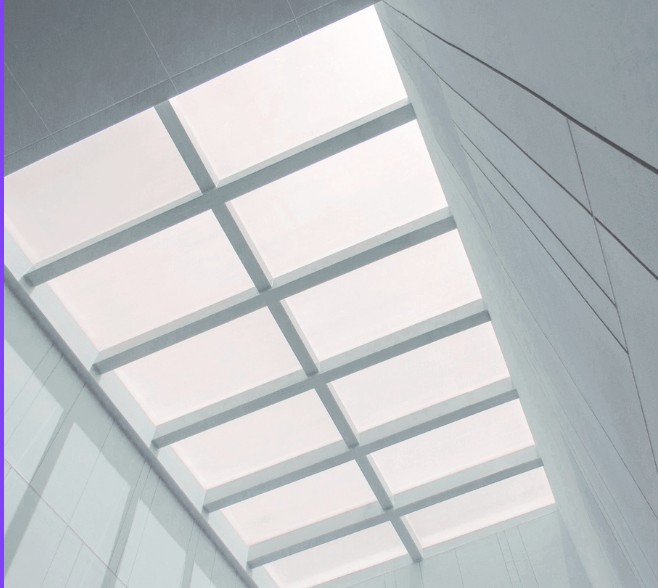
Skylights are a beautiful way to bring natural light into your home, but they can complicate your roof system if not properly installed or maintained. In Florida’s storm-prone, humid environment, skylights are one of the most common sources of leaks and water intrusion.

Here’s why skylights need special attention:

  • Flashing is Critical: The area where the skylight meets your roof must be sealed with high-quality flashing and underlayment to prevent leaks. Over time, Florida heat and rain can degrade these seals.
  • Installation Matters: Improper installation (or using poor-quality skylights) increases the risk of leaks and condensation buildup, especially in high-moisture areas like bathrooms and kitchens.
  • Inspection Is Key: Skylights should be inspected as part of your regular roof maintenance. Look for cracked glass, fogging between panes, or signs of moisture around the ceiling.

If you’re installing a new roof and your home already has skylights, it’s wise to replace or upgrade them during the project. Doing so allows the skylights to integrate seamlessly with your new roofing system, ensures all flashing and seals are up to date, and reduces the chance of future leaks. Waiting to replace skylights later often means disturbing a perfectly good roof just to address a single problem.

Skylights can absolutely be an asset to your home, but only if they’re properly installed, maintained, and inspected regularly. In Florida, the key to enjoying their benefits without added headaches is working with a roofing contractor who understands how to protect vulnerable roof areas against our state’s unique weather conditions.

If you’re planning a roof replacement, or if you’re noticing signs of wear around your skylights, now is the time to schedule an inspection.

Categories
Uncategorized

How to Read a Roofing Estimate: A Homeowner’s Guide

Getting a roofing estimate can feel overwhelming, especially when you’re comparing bids from multiple contractors. But understanding what’s included and what’s not is key to making an informed decision.

Most professional roofing estimates will include these components:

  1. Scope of Work: This section explains exactly what the contractor is offering to do. Is it a complete tear-off and replacement of your existing roof, or just a repair in a specific area? The scope should be specific enough that you understand the full extent of the project.
  2. Materials Breakdown: Not all roofing materials are created equal. A strong estimate will list specific products and brands for shingles, underlayment, flashing, and other components. This matters because the quality, durability, and warranty coverage can vary widely. For Florida homeowners, where resistance to wind, UV rays, and moisture is critical, knowing exactly what’s being installed is non-negotiable.
  3. Project Timeline: How long will the job take? When will the contractor start? A professional estimate should outline both the projected start date and the expected duration of the project. This allows you to plan around business operations, tenants, or your household schedule.
  4. Labor & Cleanup: Roofing isn’t just about materials—it’s about the team doing the work. Estimates should include labor costs and outline daily cleanup practices, including how debris will be handled and whether disposal fees are included. A contractor who prioritizes site cleanliness is usually one who prioritizes quality across the board.
  5. Warranties: Every roofing estimate should detail both workmanship warranties (offered by the contractor) and product warranties (offered by the manufacturer). Workmanship warranties protect you against installation errors, while manufacturer warranties cover defects in the materials themselves. Together, these provide assurance that your roof will perform as expected for years to come.

Not all estimates are created equal. If an estimate is vague, missing details, or overly general, it’s a sign you may face hidden costs down the road. Look out for:

  • A lack of itemization (just a lump sum total with no breakdown)
  • No mention of cleanup or debris removal
  • Missing warranty information
  • Unspecified materials (just “shingles” without a brand or product line)

A solid estimate should be clear, itemized, and leave no room for surprise charges later. If something’s unclear, always ask! A trustworthy contractor will walk you through every line.

It’s natural to compare numbers first, but the lowest bid doesn’t always equal the best value. Contractors who cut corners on materials or labor often deliver results that won’t hold up in Florida’s harsh climate. Instead, compare “apples to apples.” Make sure each estimate includes similar scopes, materials, and warranties so you’re evaluating them fairly!

Categories
Uncategorized

The Real Cost of Delaying Commercial Roof Replacement

For many business owners, replacing a roof often feels like a project that can wait. Between the upfront expense and the challenge of scheduling work around daily operations, it’s tempting to put it off for “just one more year.” But in Florida’s climate, delaying roof replacement can turn a manageable investment into a costly emergency.

Unlike other regions, Florida businesses face constant wear and tear on roofing systems. The sun’s intense UV rays break down roofing membranes, heavy rains test drainage systems, and hurricane-season winds put every seam, fastener, and flashing detail under pressure. A roof that’s already nearing the end of its lifespan is much more vulnerable, and once problems start, they rarely stay small.

Water intrusion is the most common, and often most expensive, consequence of waiting too long. Even a minor leak can spread quickly under the surface, damaging insulation, rotting decking, and making its way into ceilings, walls, or stored inventory. The hidden nature of roof leaks means that by the time you see water stains or mold inside your building, the repair costs are already mounting.

When a roof is compromised, the true costs go far beyond patching leaks. Some of the most significant risks include:

  • Operational disruptions: Emergency leaks or interior damage can force you to halt business activities until repairs are made.
  • Property damage: Water damage can ruin equipment, merchandise, or tenant spaces—expenses often not fully covered by insurance.
  • Energy inefficiency: Deteriorating membranes and insulation let hot air in and cool air out, driving up energy bills month after month.
  • Code and compliance issues: Florida building codes require roofing systems to meet specific standards for wind and water resistance. A neglected roof can put you out of compliance, adding legal and insurance complications.
  • Liability risks: If you’re aware of roof issues, but fail to act, insurance claims may be denied, or worse, you could face liability for damages.

Some roof issues may seem minor, but they’re often early indicators of bigger problems to come. Watch for:

  • Frequent leaks or pooling water after rain
  • Bubbling, blistering, or cracking in the membrane
  • Rising energy costs despite no changes in use
  • Water stains on ceilings or walls inside your building
  • Mold or mildew growth near rooflines or HVAC units

These signs should trigger immediate action. Even if replacement isn’t needed right away, addressing them early can extend the life of your roof and give you time to budget for a full replacement.

Replacing your roof on your own timeline, rather than reacting to emergencies, gives you the advantage. You can plan the project during slower seasons, choose the best materials for your building, and often secure better pricing by avoiding rushed, emergency repairs. Most importantly, proactive replacement ensures continuity for your business, minimizing surprises and protecting your bottom line.

Your commercial roof is more than just a cover over your building, it’s keeps your business, employees, and customers protected. Putting off replacement may save money in the short term, but in Florida’s climate, the long-term costs can be far greater.

If your roof is aging or showing signs of wear, now is the time to start planning. It’s important to find an experienced roofer who can evaluate your roofing systems and help weigh your options, so that you invest in solutions built to last.

Categories
Uncategorized

Choosing the Right Commercial Roofing System for Your Florida Business

When it comes to protecting your commercial property, your roof is one of the most important investments you’ll ever make. Florida’s climate brings a unique set of challenges: intense sun, high humidity, heavy rains, and the constant threat of tropical storms.

A quality commercial roofing system not only shields your building from the elements, but it also plays a role in energy efficiency, tenant comfort, and even your bottom line. Whether you’re replacing an aging roof or planning a new construction project, understanding the options available can help you make a confident, long-term decision.

Why Your Roofing Choice Matters in Florida

Florida businesses face conditions unlike almost anywhere else in the country. UV exposure from year-round sunshine can break down weaker roofing materials, while sudden downpours and hurricane-force winds put seams, fasteners, and drainage systems to the test. On top of that, rising energy costs make it more important than ever to consider how your roofing system impacts cooling efficiency.

Choosing the right roof is more than just about durability; it’s about balancing performance, cost, and energy savings in a way that makes sense for your property.

Popular Commercial Roofing Options:

  • TPO (Thermoplastic Polyolefin) TPO has become one of the most common commercial roofing materials for good reason. Its bright white, reflective surface helps reduce cooling costs by keeping roof temperatures lower in Florida’s hot sun. TPO is also resistant to algae, tears, and chemical exposure, making it a low-maintenance option for flat or low-slope roofs. For businesses looking to maximize energy efficiency, TPO is often a smart choice.

  • Modified Bitumen: Modified bitumen is a time-tested roofing system made up of multiple layers that provide strength and resilience. It performs well under heavy foot traffic, making it a practical option for businesses that need rooftop access for equipment or maintenance. Modified bitumen is also designed to handle Florida’s temperature swings and heavy rains, providing reliable waterproofing at an affordable price point.

  • Metal Roofing: Metal roofing systems may come with a higher upfront cost, but they offer exceptional longevity—often lasting 40 years or more with proper care. Metal is lightweight, fire-resistant, and highly durable against high winds, making it a strong option for sloped commercial buildings. With the right insulation, metal roofs can also help reduce heat transfer and improve energy efficiency. Their sleek appearance is a bonus for businesses looking to elevate curb appeal.

The best roofing system for your business will depend on several factors:

  • Building structure: Flat vs. sloped roofs call for different materials and installation methods.

  • Budget: Consider both upfront costs and long-term savings from energy efficiency or reduced maintenance.

  • Usage: Roofs with high foot traffic or heavy equipment may require more durable materials.

  • Florida building codes: Your roof must meet strict wind and safety standards, especially in hurricane-prone areas.

Working with an experienced commercial roofing contractor is essential. A professional can evaluate your property, explain the pros and cons of each system, and recommend solutions tailored to your needs.

Categories
Uncategorized

The Science of Roof Pitch: Why It Matters for Florida Homes

When you look at a house, the slope of the roof — known as the roof pitch — is one of the most defining features. But roof pitch is more than just a design choice. It plays a major role in how well your roof sheds water, handles wind, and stands up to Florida’s unique climate.

In this post, we’ll break down what roof pitch is, how it’s measured, and why it matters so much for homeowners in the Sunshine State.

What Is Roof Pitch?

Roof pitch is the angle or steepness of your roof, usually expressed as a ratio of how much the roof rises vertically compared to how far it extends horizontally. For example, a pitch of 4:12 means the roof rises 4 inches for every 12 inches of horizontal run.

Why Roof Pitch Is Important in Florida

Florida’s mix of heavy rain, hurricane-force winds, and intense sun means roof pitch isn’t just about looks, it’s about performance.

1. Drainage Efficiency

  • Steeper pitches allow rainwater to run off faster, reducing the chance of pooling and leaks.
  • Low-slope or flat roofs require specialized materials like TPO or modified bitumen to ensure proper water drainage.

2. Wind Resistance

  • Lower pitches may have less wind uplift in storms, but need strong sealing systems.
  • Steeper roofs can catch more wind, so material fastening is critical in hurricane zones.

3. Material Compatibility

  • Shingles typically need at least a 4:12 pitch to shed water effectively.
  • Metal roofing can work on a wider range of pitches and performs well in Florida’s climate.
  • Tile roofs are often installed on moderate to steep pitches for both drainage and style.

How to Determine the Right Pitch for Your Home

The ideal pitch depends on:

  • Your roofing material – Some materials aren’t suited for low slopes.
  • Your home’s architecture – Certain designs require specific angles.
  • Local building codes – Florida’s codes account for wind zones and rainfall.

Can You Change Your Roof Pitch?

Altering a roof’s pitch is possible, but it’s a major construction project that usually involves reframing. For most homeowners, the smarter choice is to choose the best roofing material for the existing slope.

The science of roof pitch affects everything from how your home handles heavy rain to how well it resists hurricane winds. Understanding it helps you make smarter decisions when replacing or repairing your roof.

Categories
Uncategorized

What Homeowners Need to Know About Roof Inspections After a Storm

In Florida, storms are part of life — from summer thunderstorms to hurricane season. While it’s tempting to breathe a sigh of relief once the skies clear, the real work often starts afterward. Storm damage to your roof isn’t always obvious, and catching it early can save you thousands in repairs. Here’s what every homeowner should know about post-storm roof inspections.

Why Post-Storm Inspections Matter:

Even if your roof looks fine from the ground, wind, rain, and flying debris can cause hidden damage. Cracked shingles, lifted flashing, or small leaks may go unnoticed until they lead to bigger problems like water intrusion, mold, or structural damage.

Signs You Might Have Storm Damage:

  • Missing or broken shingles or tiles
  • Granules in gutters or downspouts (for shingle roofs)
  • Bent or damaged flashing
  • Water stains on ceilings or walls
  • Loose debris on the roof (branches, leaves, etc.)

Why You Shouldn’t Delay an Inspection:

The sooner you identify damage, the faster it can be repaired, often before it worsens or before your insurance claim window closes. Waiting too long can make repairs more expensive and jeopardize coverage.

DIY vs. Professional Inspections:

While you can do a visual check from the ground, climbing onto the roof after a storm is dangerous. A professional roofer has the safety equipment and trained eye to spot damage you might miss and can provide documentation for insurance purposes.

Working With Your Insurance Company:

If damage is found, your roofer can help you navigate the claims process by providing photos, detailed reports, and repair estimates. This documentation is key to getting the coverage you deserve. Don’t wait for leaks to appear before taking action. Scheduling a professional roof inspection after a storm is one of the smartest and safest things you can do to protect your home and your investment.