Florida homeowners face unique challenges with the scorching sun, hurricanes, and humidity. Choosing the right roofing material is about more than looks — it’s about performance, durability, and energy efficiency.
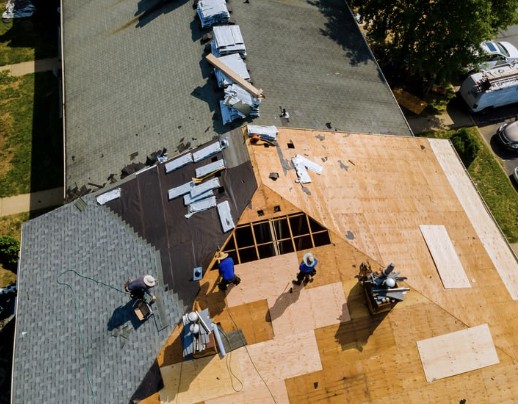
Asphalt Shingles: Affordable and easy to install, asphalt shingles are Florida’s most common roofing material. But they have a shorter lifespan (15–20 years) and can degrade faster in extreme heat.
Metal Roofing: Durable, fire-resistant, and energy-efficient, metal roofs can last 40–70 years. They perform well in high winds and reflect heat, which helps keep cooling costs down.
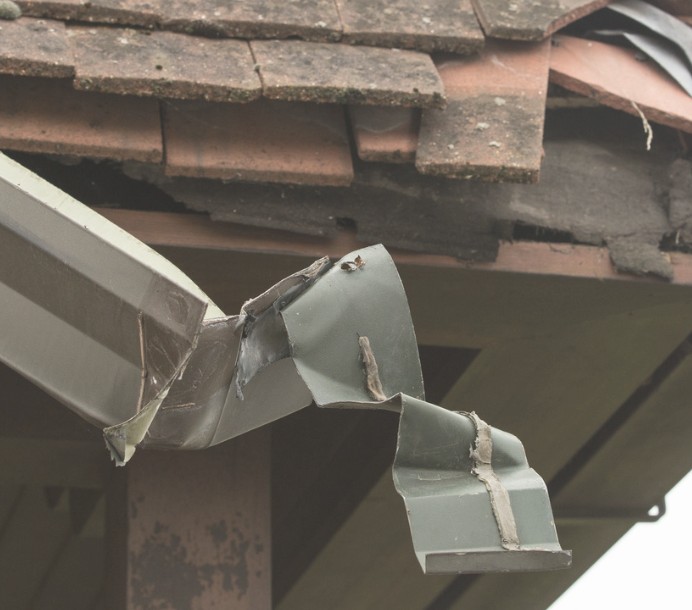
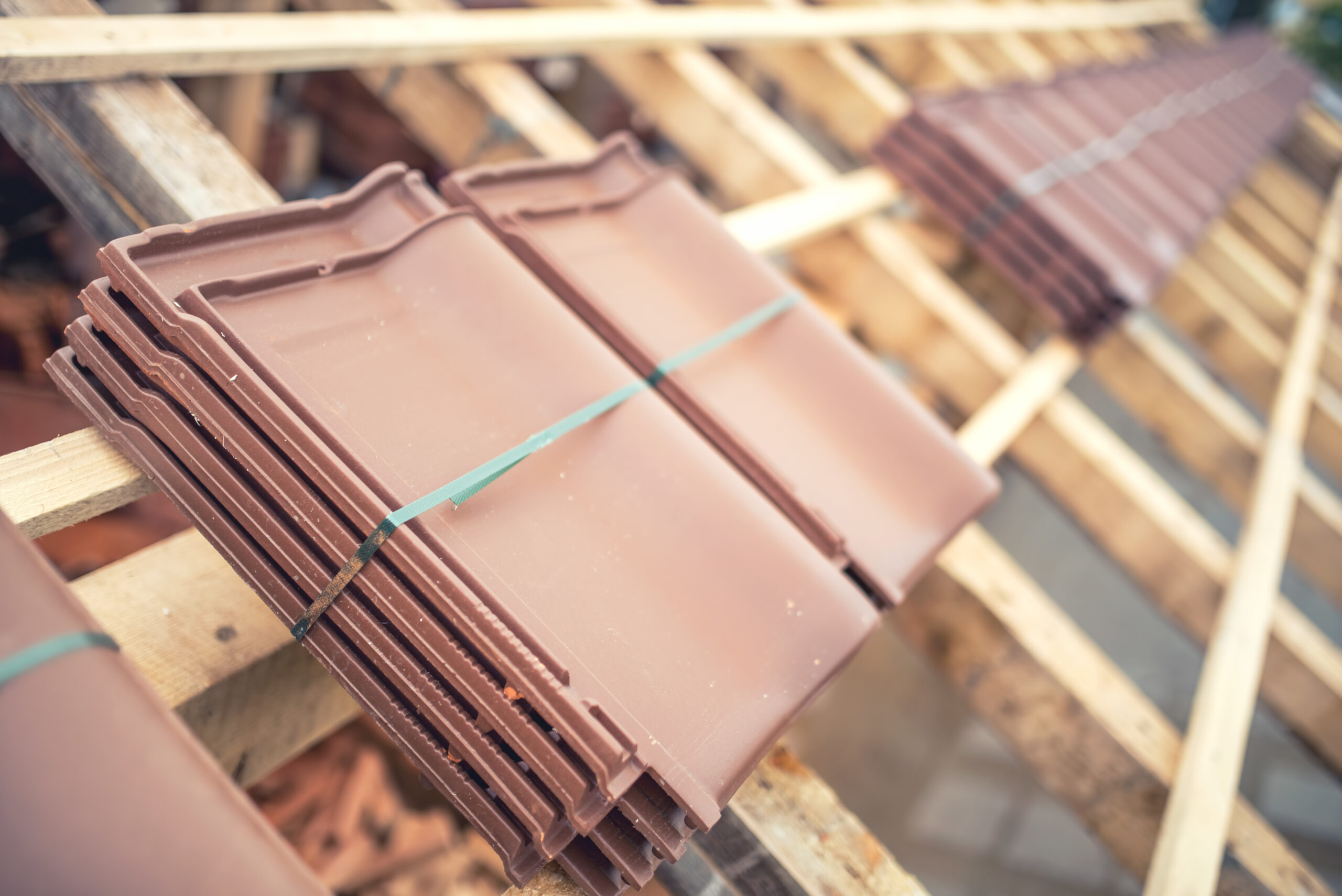
Tile Roofing (Clay or Concrete): Tile roofs are excellent in hot, humid climates and can last 50+ years. They’re heavy, so homes need proper structural support, and repairs can be more costly.
Modified Bitumen or Flat Roof Systems: For flat or low-slope roofs, modified bitumen systems offer durability and good water resistance. Regular maintenance is key.
Factors to Consider
- Local weather patterns
- HOA requirements
- Budget
- Energy efficiency goals
- Expected lifespan
There’s no one-size-fits-all answer, but understanding your options helps you choose a roof that performs well for years to come in Florida’s demanding climate.