Categories
Uncategorized

Roof Leaks: Why They Happen and How to Fix Them

A roof leak is more than just an annoying drip — it’s a sign your home’s first line of defense is compromised. Left unchecked, even a small leak can lead to costly repairs, mold growth, and structural damage. In Florida, where heavy rain and hurricane-season storms are common, understanding the causes and solutions for roof leaks is critical.

Common Causes of Roof Leaks

  • Damaged or Missing Shingles – high winds, hail, or aging shingles can leave gaps where water can sneak in.
    • Florida tip: Shingles can degrade faster under our intense sun, so regular inspections are key.
  • Faulty Flashing – flashing seals the areas where your roof meets chimneys, skylights, or vents. If it’s cracked, corroded, or improperly installed, it can let water through.
  • Clogged Gutters – when gutters are blocked by leaves and debris, water can back up under shingles or pool along the roofline, eventually seeping inside.
  • Roof Vent or Skylight Leaks – improperly sealed vents or skylights can let rainwater in, especially during driving storms.
  • Poor Installation or Repairs – a roof that wasn’t installed to Florida’s strict building codes — or repairs that cut corners — can be more prone to leaks.

Signs You Might Have a Roof Leak

  • Water stains on ceilings or walls
  • Dripping water during or after storms
  • Mold or mildew smells in the attic
  • Peeling paint or bubbling drywall

How to Fix a Roof Leak

  • Identify the Source – leaks often appear far from the actual entry point, so a professional inspection is the best way to track them down.
  • Make Temporary Repairs – if water is coming in during a storm, a tarp can be a temporary fix — but don’t rely on it for long-term protection.
  • Professional Repair or Replacement – depending on the damage, you may need shingle replacement, flashing repair, or in severe cases, a partial or full roof replacement.

Prevent Future Leaks

  • Schedule regular roof inspections (especially after major storms)
  • Keep gutters clean
  • Trim trees away from your roof
  • Address minor repairs before they turn into bigger problems

Roof leaks can happen for many reasons, but fast action can prevent major damage. In Florida’s climate, staying proactive with inspections and maintenance is the best defense.
Categories
Uncategorized

Five Common Roofing Myths Florida Homeowners Shouldn’t Believe

When it comes to protecting your Florida home, your roof is one of your biggest investments. Unfortunately, there’s a lot of misinformation out there, and believing the wrong thing can lead to costly repairs or even a premature replacement. Let’s bust five common roofing myths so you can make smart, informed decisions for your home.

Myth #1 – “If My Roof Looks Fine, It’s Fine”

Just because you can’t see damage from the ground doesn’t mean your roof is in perfect shape. In Florida, hidden issues like small leaks, loose flashing, or underlayment damage can cause big problems down the road. Regular inspections can catch these before they become emergencies.

Myth #2 – “A New Roof Will Last as Long as the Warranty Says”

Warranties can be tricky. Many only cover certain materials, not labor, and they often have maintenance requirements. Plus, our hot, humid climate and hurricane season can shorten the lifespan of roofing materials compared to other states.

Myth #3 – “Any Contractor Can Handle a Roof Replacement”

Not all contractors have the experience, licensing, or insurance to handle Florida’s unique roofing requirements. Always choose a licensed, insured roofer familiar with local codes and weather conditions.

Myth #4 – “Metal Roofs Are Noisy in the Rain”

Modern metal roofs are installed over insulation and underlayment that minimizes noise. In fact, many homeowners say they’re no louder than shingle roofs during storms, plus they offer excellent durability against Florida weather.

Myth #5 – “You Can’t Install a New Roof in Summer”

While Florida summers bring heat and rain, skilled roofers work year-round. With proper planning and weather monitoring, summer installations are not only possible but common.

Your roof is too important to gamble on myths. If you have questions about roof maintenance, repairs, or replacement in Florida, get the facts from a trusted local roofing professional.

Categories
Uncategorized

What’s the Best Roofing Material for Florida Homes?

Florida homeowners face unique challenges with the scorching sun, hurricanes, and humidity. Choosing the right roofing material is about more than looks — it’s about performance, durability, and energy efficiency.

Asphalt Shingles: Affordable and easy to install, asphalt shingles are Florida’s most common roofing material. But they have a shorter lifespan (15–20 years) and can degrade faster in extreme heat.

Metal Roofing: Durable, fire-resistant, and energy-efficient, metal roofs can last 40–70 years. They perform well in high winds and reflect heat, which helps keep cooling costs down.

Tile Roofing (Clay or Concrete): Tile roofs are excellent in hot, humid climates and can last 50+ years. They’re heavy, so homes need proper structural support, and repairs can be more costly.

Modified Bitumen or Flat Roof Systems: For flat or low-slope roofs, modified bitumen systems offer durability and good water resistance. Regular maintenance is key.

Factors to Consider

  • Local weather patterns
  • HOA requirements
  • Budget
  • Energy efficiency goals
  • Expected lifespan

There’s no one-size-fits-all answer, but understanding your options helps you choose a roof that performs well for years to come in Florida’s demanding climate. 

Categories
Uncategorized

No H1 tag found

No output provided.

Categories
Uncategorized

Understanding Roof Warranties: What You’re Really Getting

When you invest in a new roof, you’re not just buying materials and labor; you’re also getting a warranty. But what does that warranty actually cover?

Manufacturer vs. Workmanship Warranties: Most roofing systems include two separate warranties:

  • Manufacturer Warranty: Covers defects in roofing materials, such as shingles or underlayment, and usually lasts 20–50 years, depending on the product.
  • Workmanship Warranty: Offered by your contractor, this covers installation-related issues and typically ranges from 1 to 10 years.

What’s Usually Covered? Manufacturer warranties cover materials if they fail under normal weather conditions. However, they don’t usually cover damage from improper installation—that’s where the workmanship warranty comes in.

What’s Not Covered?

  • Storm or hurricane damage (this falls under insurance)
  • Improper maintenance
  • Foot traffic or unauthorized repairs
  • Normal wear and tear over time

Extended or “Lifetime” Warranties: These sound great, but often come with limitations. Read the fine print as “lifetime” may refer to the expected lifespan of the roof, not your home ownership.

Transferability Matters: If you’re planning to sell your home, check if the warranty can be transferred to a new owner. Some require registration within a certain timeframe. Understanding your roof’s warranty helps avoid surprises down the road. If you’re unsure what’s covered, ask your roofer to walk you through the details before signing.

Categories
Uncategorized

How to Spot Storm Damage from the Ground

Florida’s weather is no stranger to high winds, hail, and heavy rain — especially during storm season. After a major weather event, inspecting your roof is essential. But climbing up a ladder yourself isn’t always safe or necessary.

Here’s what to look for from the ground:

Visible Shingle Damage

Look for missing, curled, cracked, or dented shingles, particularly around roof edges or near gutters. Shingles may also appear darker if granules have worn off.

Debris on the Roof or Around the Property

Tree limbs, leaves, or other debris on your roof can cause punctures or stress on roofing materials. Also, check your yard for fallen branches, which can signal impact damage.

Sagging or Uneven Rooflines

A sagging roof could indicate hidden structural damage. If you notice any dips or uneven areas from the street, it’s worth having a professional take a closer look.

Gutter and Downspout Damage

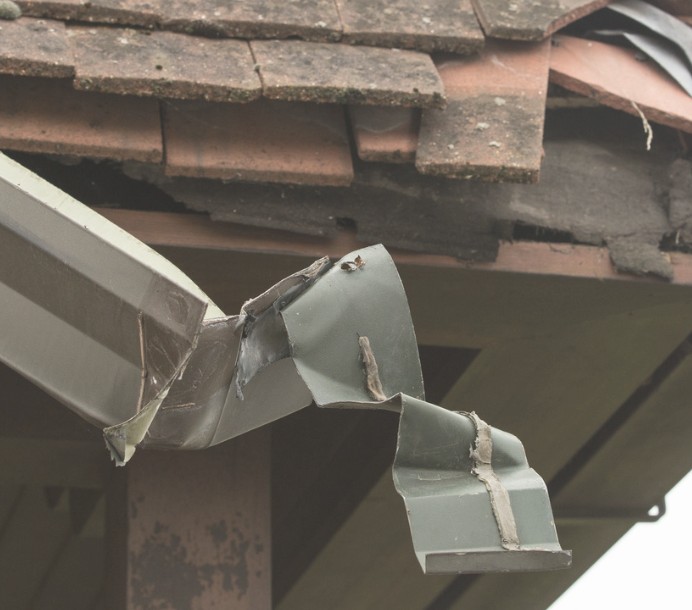
Check gutters for dents, separation from the fascia, or shingle granules accumulating in them. These are signs your roof took a beating.

Water Stains on Ceilings or Walls

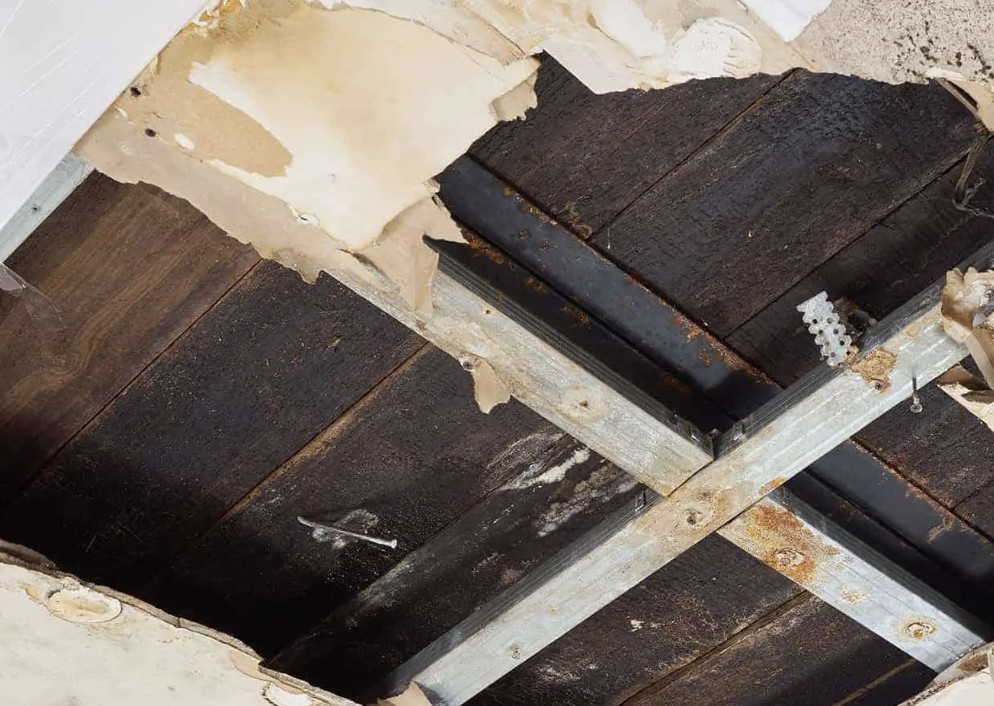
Interior signs of roof damage often appear as yellow or brown stains on ceilings or upper walls. If spotted, they may signal an active leak.

Catching storm damage early can prevent bigger, more expensive repairs down the line. If you notice anything concerning, it’s smart to have a licensed roofer perform a more detailed inspection.

Categories
Uncategorized

The Real Impact of Florida’s Summer Heat on Your Roof

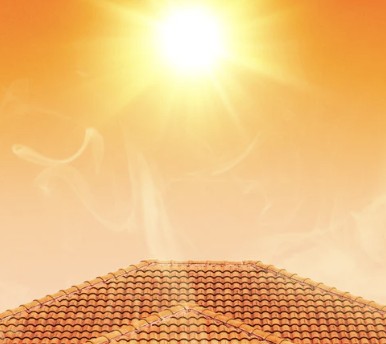
Florida homeowners know the summer heat is no joke, with July often being the hottest month of the year. While we’re all cranking up the A/C and seeking shade, your roof is taking the full brunt of that intense sun. Over time, the extreme heat and UV exposure can seriously affect your roof’s performance, lifespan, and ability to protect your home.

Here’s what every Florida homeowner should know about how our summer climate impacts your roof and what to do about it.

How UV Exposure Damages Your Roof

Even on partly cloudy days, your roof is constantly exposed to UV rays. Over time, this exposure breaks down key roofing components:

  • Shingles: Asphalt shingles can become dry, brittle, and begin to curl or crack as UV rays break down the oils that keep them flexible.
  • Underlayment: The layer beneath your shingles or tile, designed to provide water resistance, can also degrade with prolonged UV exposure, especially if it’s exposed due to missing or shifted roofing materials.

This breakdown doesn’t happen overnight, but in Florida’s year-round sun, the cumulative effect adds up fast.

Signs Your Roof Has Heat Damage

Not all heat-related damage is obvious, but here are a few red flags to watch for:

  • Warping or curling shingles
  • Blistering or bubbling surfaces
  • Faded or discolored shingles or tiles
  • Unusual hot spots in the attic or higher-than-normal energy bills
  • Interior ceiling stains or signs of water intrusion (heat stress can open small gaps that let water in)

If you spot any of these, it’s time to schedule a roof inspection before the damage worsens.

Why Ventilation Matters Even More in Summer

Proper attic ventilation plays a huge role in how well your roof handles Florida’s heat. Without it, hot air builds up in your attic, raising roof surface temperatures and accelerating wear on your roofing materials.

Good ventilation helps:

  • Regulate attic and roof deck temperatures
  • Prevent moisture buildup and mold
  • Improve energy efficiency inside your home
  • Prolong the life of your shingles or tile

If your attic feels like a sauna in summer, your roof could be suffering more than you realize.

Best Roofing Materials for Heat Resistance in Florida

Choosing the right materials can help your roof last longer and perform better in extreme heat. Some of the best options for Florida homes include:

  • Metal Roofing: Reflects heat, resists UV damage, and cools quickly after sunset
  • Tile Roofing (Clay or Concrete): Durable, long-lasting, and naturally insulating
  • White TPO (Thermoplastic Polyolefin): Popular on flat roofs, this material is highly reflective and energy-efficient, reducing cooling costs and heat absorption

Not sure which option is right for your home? A local roofing expert can help evaluate your current system and recommend heat-resistant upgrades.

Summer Roof Stress Is Real, Act Now

Heat damage doesn’t always announce itself loudly, but if ignored, it can shorten your roof’s life and lead to expensive repairs down the road. Florida summers are intense, and your roof deserves a little attention this time of year. If you notice signs of heat stress on your roof, now is the time to call an experienced and trusted Florida roofing contractor.

Categories
Uncategorized

A Business Owner’s Guide to Commercial Roof Replacement in Florida

As a Florida business owner, your roof is more than just overhead protection, it’s critical to your property’s value, safety, and day-to-day operations. When your commercial roof reaches the end of its lifespan or sustains significant damage, a replacement may be necessary to protect your investment.

In this guide, we’ll walk you through what to expect, how to prepare, and what to look for when replacing a commercial roof in Florida.

Signs It’s Time to Replace Your Commercial Roof

Some signs of roof failure are obvious, while others require a professional inspection. 

Common indicators include:

  • Persistent leaks or water stains inside the building
  • Visible damage to roofing materials (cracks, blistering, or ponding water)
  • Rising energy costs from poor insulation or ventilation
  • Age: Flat and low-slope roofs typically last 15–25 years
  • Failed repairs or chronic maintenance issues

Understand Florida-Specific Requirements

Florida’s building codes are among the strictest in the country due to our climate and hurricane risk. This means:

  • Wind uplift requirements must be met depending on your location and roof system.
  • Energy codes require compliant insulation and reflective surfaces in some areas.
  • Permit and inspection requirements vary by municipality, but are always necessary for full replacements.

Working with a licensed Florida roofing contractor who understands local codes is key to avoiding delays, fines, or insurance issues.

Choosing the Right Commercial Roofing System

Given Florida’s climate, it’s important to consider which roofing material is the best fit for your commercial building. Common options include:

  • TPO (Thermoplastic Polyolefin): Energy-efficient, UV resistant, and cost-effective
  • Modified Bitumen: Durable and reliable for flat roofs
  • Metal Roofing: Long-lasting and strong against Florida’s storms
  • Built-Up Roofing (BUR): Traditional option with good waterproofing when properly maintained

The best system depends on your building’s structure, budget, and environmental exposure.

Plan for Minimal Disruption

Replacing a commercial roof can be a significant project, but the right contractor will work to minimize the impact on your business. Make sure to:

  • Schedule work during off-hours or slower periods if possible
  • Communicate with tenants, employees, or customers ahead of time
  • Protect equipment, inventory, and sensitive areas beneath work zones

Your roofing contractor should provide a detailed timeline and work schedule so you can plan accordingly.

Understand the Costs & ROI

Commercial roof replacement is a major investment, but it often pays off in:

  • Reduced energy costs with better insulation and reflectivity
  • Lower maintenance needs over time
  • Improved property value and tenant appeal
  • Extended warranties for peace of mind

Costs will vary depending on roof size, system type, accessibility, and local code requirements. Be sure to request a detailed estimate and beware of bids that seem too good to be true.

Why Choose a Florida-Based Roofing Contractor

Local knowledge matters. A Florida-based commercial roofer brings:

  • Experience with hurricane-ready systems and wind uplift ratings
  • Familiarity with local permitting and inspection processes
  • Insight into what materials perform best in Florida’s sun, rain, and heat

Ready to Replace Your Commercial Roof?

If you’re experiencing leaks, aging materials, or want to upgrade to a more energy-efficient system, it may be time for a replacement. Contact us today to schedule a roof inspection, learn about the best options for your commercial property, and get a custom and fair quote.

Categories
Uncategorized

Roof Decking in Florida: The Hidden Layer That Supports Your Roof

When it comes to your roof, most people think about shingles, tiles, or maybe even metal panels. But there’s one important layer that lies just beneath the surface – roof decking, and it plays a major role in the strength and lifespan of your entire roofing system.

If you’re planning a roof replacement in Florida, understanding what roof decking is, and the different types used in our climate, can help you make better decisions about your home.

What Exactly Is Roof Decking?

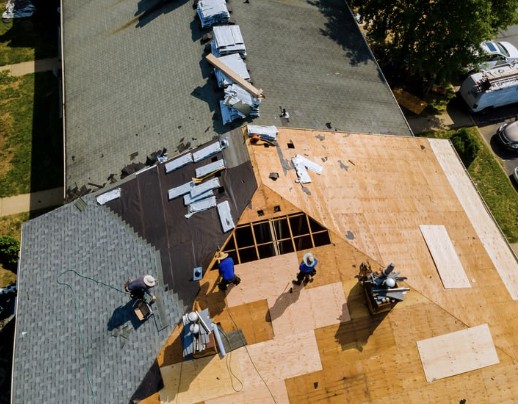
Roof decking (also known as sheathing) is the wooden surface that’s installed directly onto your home’s rafters or trusses. It provides the base for your underlayment and final roofing material, whether that’s shingles, tile, or metal. Think of it as the foundation that holds everything together.

In Florida, roof decking also needs to meet specific building codes to withstand high winds, heavy rain, and humid conditions. It acts as more than a structural layer, it’s a protective one, too.

Why Roof Decking Matters in Florida

Because Florida is no stranger to hurricanes, tropical storms, and intense sun exposure, your roof decking has to be both strong and moisture-resistant. If the decking is weak, rotted, or improperly installed, the entire roofing system is at risk. Insurance companies in Florida also pay close attention to roof structure, and damaged decking can affect your eligibility or rates.

When a Florida roofing contractor inspects or replaces your roof, one of the first things they’ll check is the condition of the decking underneath.

The Most Common Types of Roof Decking

In Florida homes, two types of roof decking are used most often: plywood and oriented strand board (OSB).

Plywood is the more traditional choice. It’s made from layers of wood veneer pressed together and is known for its strength and resistance to moisture. Many homeowners and contractors prefer plywood because it performs well in Florida’s humid climate and is less likely to swell or weaken over time.

OSB is a more cost-effective alternative. It’s made from compressed wood strands and adhesives. OSB has a smooth, uniform surface and is widely used in modern construction. However, it can be more vulnerable to moisture damage if exposed to water for extended periods, which is something to consider during Florida’s rainy season.

Some older homes in Florida may still have tongue-and-groove wood planks or spaced board decking. While these were common decades ago, they often need to be replaced or upgraded to meet current building codes and to support modern roofing materials properly.

What Happens During a Roof Replacement

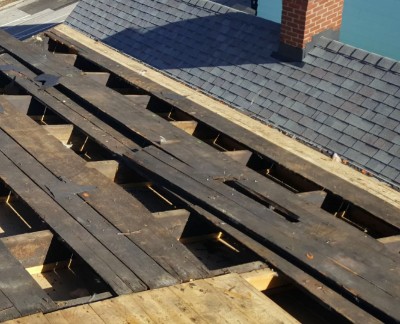
When replacing a roof in Florida, it’s not uncommon to find sections of decking that have been damaged by leaks, pests, or just age. A good roofing contractor will remove the old roofing materials, inspect the decking underneath, and replace any sections that are no longer safe or up to code. This step is essential to ensure your new roof lasts as long as it should.

Work With a Florida Roofing Contractor You Can Trust

A strong roof starts with a solid foundation, and that means high-quality roof decking. Whether you’re replacing shingles, installing a new metal roof, or upgrading from an older system, work with a qualified roofing contractor to make sure your decking is in top condition and meets all Florida building standards.

Categories
Uncategorized

Best Practices for Roof Maintenance in Florida as Hurricane Season Approaches

Hurricane season runs from June 1st through November 30th, and if you’re a homeowner here in Florida, you know just how critical it is to prepare your property in advance. Your roof is your first line of defense against high winds and heavy rains, so giving it some attention now can save you from major headaches and costly repairs down the road.

Here are some best practices for maintaining your roof before the storms roll in:

Schedule a Professional Roof Inspection

Even if your roof looks fine from the ground, hidden damage can weaken its ability to protect your home. A licensed roofing contractor can inspect for missing or damaged shingles, soft spots, flashing issues, and other vulnerabilities that might not be obvious.

Clear Debris from the Roof and Gutters

Leaves, branches, and other debris can clog your gutters and downspouts, causing water to back up under your roofing materials. Keep gutters and roof surfaces clean to ensure proper drainage and reduce stress on your roof structure.

Trim Nearby Trees

Overhanging branches can scrape or puncture your roof during strong winds and pose a major hazard. Trimming back trees not only protects your roof but also reduces the amount of debris that can pile up on it.

Check and Secure Roof Flashing

Flashing, the metal strips around chimneys, vents, and skylights, are common failure points during storms. Make sure your flashing is sealed and securely fastened to prevent wind-driven rain from seeping in.

Reinforce or Replace Loose Shingles or Tiles

High winds can easily rip off loose shingles or tiles, leaving your roof exposed. Replacing or securing them now can prevent bigger damage when the storm hits.

Review Your Insurance and Keep Records

Before hurricane season kicks into full gear, it’s a smart move to review your homeowner’s insurance policy and take photos of your roof and property. Documentation can help speed up the claims process in the event of storm damage.

Peace of Mind Starts at the Top

Taking proactive steps now can go a long way in protecting your home this hurricane season. Stay safe and protected, Florida!