No div tag with specified classes found
Categories
No H1 tag found
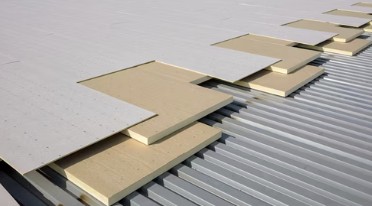
No div tag with specified classes found
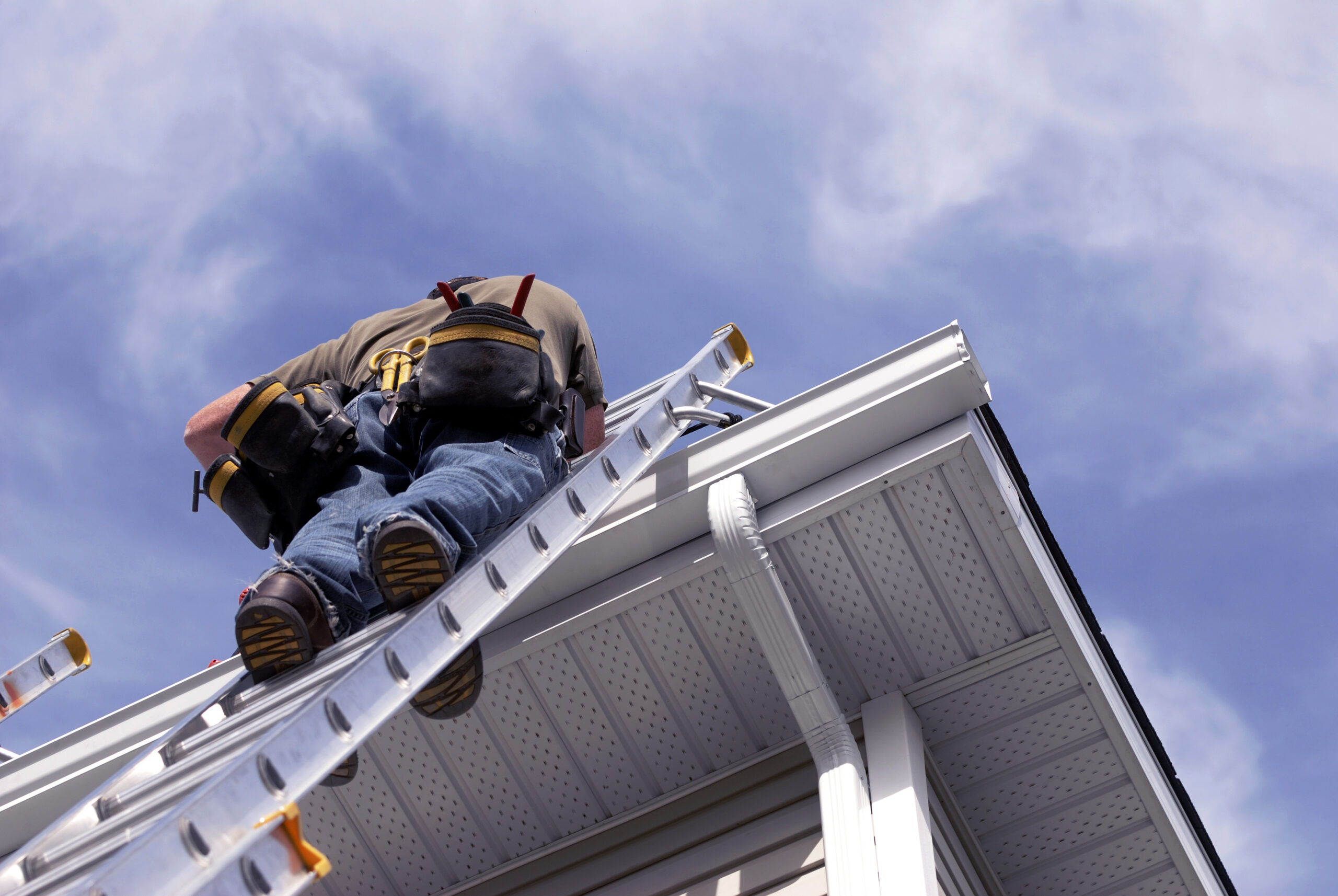
As a Florida roofing contractor, I’ve had the privilege of working on both residential and commercial properties, and while the process of installing or repairing a roof may seem similar on the surface, there are significant differences between the two. Understanding these differences is helpful whether you’re a homeowner, business owner, or property manager.
Whether you’re a homeowner looking to replace your roof or a business owner in need of a commercial roofing solution, it’s essential to understand the unique needs of each type of roof. By knowing the differences in design, materials, and maintenance, you can make a more informed decision for your roofing project.
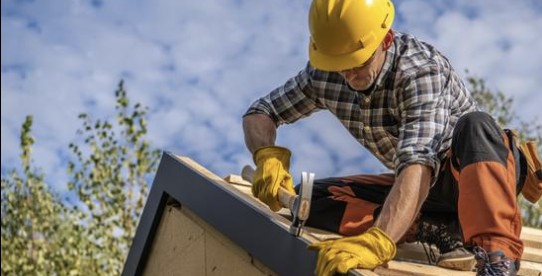
As a Florida homeowner, you’ve likely encountered a roofing issue after a severe storm, hail, or hurricane. While looking for a contractor, you may have noticed that some offer more services than others. That’s because there are roofing contractors and storm restoration contractors. While both play important roles in keeping your home protected, there’s a difference between the two, which is particularly relevant after a storm.
At 3MG, we are storm restoration contractors, so let’s break down what sets us apart:
Roofing Contractors:
Roofing contractors are experts in roof systems and gutter installation and are trained to handle all things related to roof materials and repairs. Their scope of work includes:
Storm Restoration Contractors:
Storm restoration contractors, like 3MG, do more than just roofing work. While we are experts and specialize in roof inspections, repairs, replacements, and installations, what sets us apart is our ability to handle a variety of other repairs and restoration services for your entire home.
As a full-service storm restoration contractor, 3MG manages the entire restoration process from start to finish. After a storm, the damage can be widespread, including issues with your siding, stucco, gutters, chimney structures, ceilings, and drywall. Rather than dealing with multiple contractors for each repair, you can have one point of contact if you work with a storm restoration contractor.
Another key and advantageous differentiator of storm restoration contractors like 3MG is our experience working with insurance companies and navigating the claims process to help ensure you get the coverage and compensation you deserve for your storm damage repairs. As we approach storm season here in Florida, keep this in mind and reach out to 3MG with any questions or concerns after a storm. For a free roof inspection and peace of mind, it’s a worthwhile call.
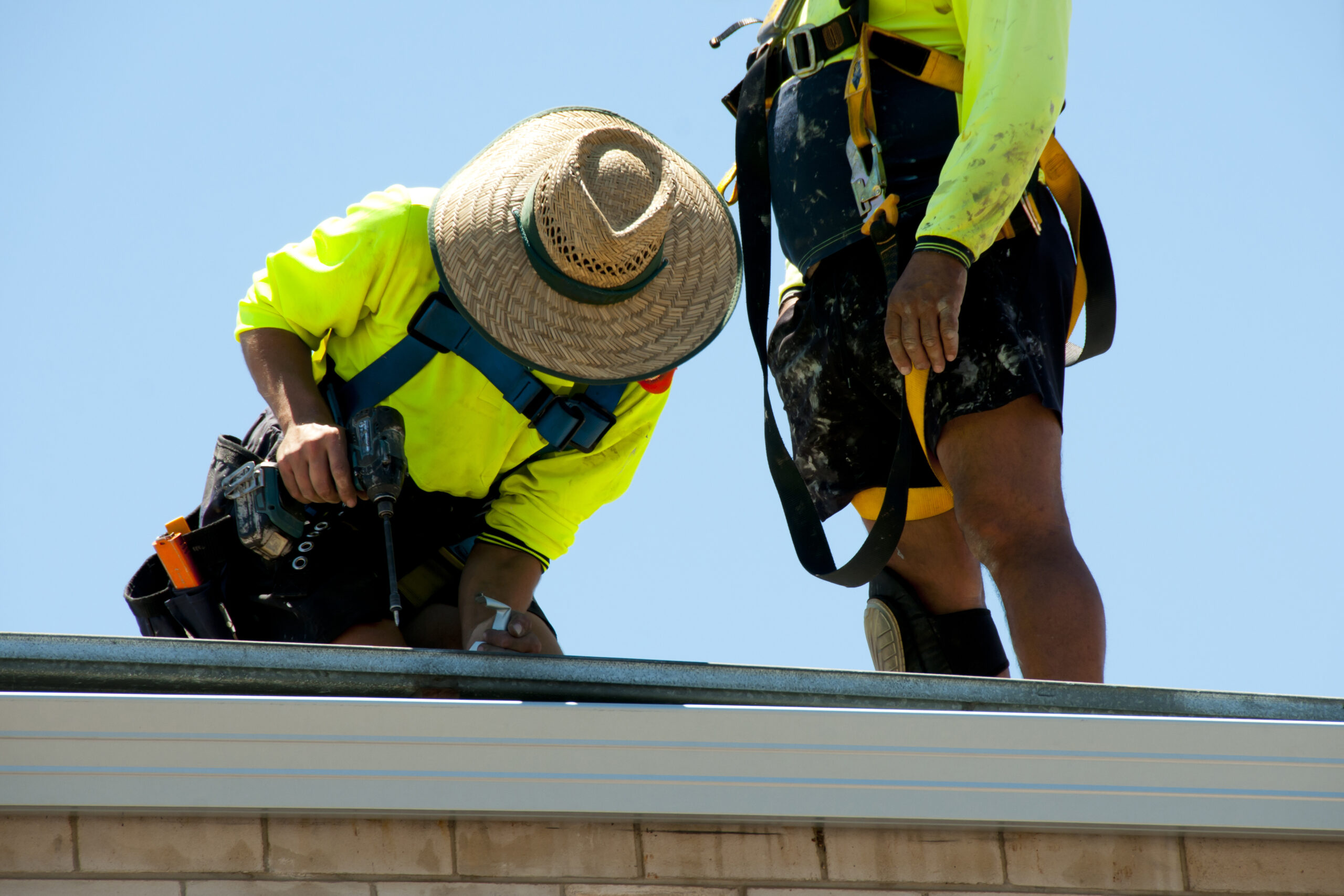
As a home or business owner in Florida, being in the know on the state’s roofing laws is advantageous, given the extreme heat and severe storms that can wreak havoc to a structure’s roof. Whether you’re hiring a contractor to replace a roof or repairing damage after a storm, knowing Florida’s roofing laws can help you make informed decisions, ensuring that your project is safe, legal, and up to code.
Here’s a breakdown of essential roofing laws and regulations that contractors must follow and why, as a consumer, you should care.
📝 Licensing and Certification
In Florida, roofing contractors are required to hold a valid state license or local license issued through the Florida Department of Business and Professional Regulation (DBPR). A certified roofing contractor has passed a state-level exam and is licensed to work anywhere in Florida, while a registered roofing contractor is licensed in a specific locality and may only work in certain areas.
By hiring a licensed contractor, you are protecting yourself from any unforeseen issues. A licensed contractor is bonded and insured, so if something goes awry, you are not on the hook, it is their responsibility to right the wrong. Licensed contractors are required to stay up to date on safety regulations and building code laws to ensure all work done meets industry standards and passes inspections. As a homeowner, don’t just assume a contractor is licensed, ask to see an official license prior to hiring a contractor.
📝 Florida Building Code (FBC)
The Florida Building Code (FBC) is a set of standards, developed by the Florida Building Commission, that regulates building construction in Florida, ensuring buildings are safe, energy-efficient, and resistant to Florida’s extreme weather conditions, including hurricanes. FBC covers everything from structural integrity to wind load resistance and applies to all roof installations and repairs.
As a Florida homeowner, insurance isn’t required, but more than highly recommended , as your home is often your largest asset. Insurance companies almost always require that your roof meets standards and codes to qualify for coverage and can help keep your premiums lower.
A licensed roofing contractor should be informed and knowledgeable on FBC standards, ensuring your roof is repaired, replaced or installed within code, protecting your house from Florida’s weather and unexpected damages.
📝 Permits and Inspections
A permit is typically required for any roofing project in Florida. Whether it’s a new roof, a replacement or a repair, contractors need to submit a permit application, ensuring that the completed work is inspected for compliance with building code. Obtaining a permit for a roofing project also helps with future resale value as having proper permits and inspections proves that your roof is up to standards and that work was done within legal requirements.
It’s important that all necessary permits are pulled by your contractor prior to work commencing in order to protect yourself from running into any code issues down the line.
Roofing contractors in Florida are required by law to carry general liability insurance and workers’ compensation insurance. These policies protect both you and the contractor in case of accidents or damage during the roofing process.
Always ask for proof of insurance before hiring a contractor.
Roofing laws in Florida protect both the contractors and home and business owners. By hiring a licensed, insured, and knowledgeable roofing contractor your roofing project will be done within the state’s building codes and regulations.
3MG is committed to adhering to all Florida roofing laws and providing our customers with quality craftsmanship on every project.
As a Florida-based roofing contractor, 3MG knows firsthand how Florida’s heat, humidity, heavy rains, and hurricanes can take a toll on commercial roofs. Whether you’re a property manager, facility manager, general contractor, real estate investor, or community association manager, a proactive maintenance agreement (PMA) is a smart investment, and one we always recommend to our customers to extend the life of your roof and avoid costly repairs.
A PMA is a scheduled plan between a roofing contractor and client for inspecting, maintaining, and making small repairs to your commercial roof before problems turn into costly repairs or the need for a full roof replacement. Like an oil change for your car, a PMA helps identify issues early and can prevent small issues from turning into bigger ones in an effort to avoid expensive surprises down the road.
🚨 Early Problem Detection: Through a thorough inspection, we can identify issues like leaks, pooling water, or material damage.
🕰️ Roof Lifespan: Routine inspections and maintenance can significantly extend the longevity of your roof.
⚒️ Avoid Unexpected Repairs: Preventative care reduces the risk of sudden leaks and emergency calls during storms, because those minor issues have already been addressed and repaired.
🏢 Protect Your Investment: Maintain the integrity of the building and protect valuable equipment and assets inside.
💰Budget Control: Predictable maintenance costs help you plan ahead and avoid unexpected roofing expenses.
📃 Warranty Compliance: Many roofing warranties require regular inspections and maintenance to stay valid. A PMA can ensure you stay covered throughout the warranty duration.
At 3MG, our PMA’s are customized to each property and typically include:
A PMA helps you stay organized with a documented history of service, which is beneficial for capital planning, property resale, or navigating insurance claims after a storm.
3MG understands the unique roofing needs of Florida buildings and helps you build a long-term plan that protects your property and your bottom line.
If you think you can benefit from a PMA, reach out to me at 3MG for a free inspection and to learn how we can help with a customized preventative maintenance agreement.