Categories
Uncategorized

The Science of Roof Pitch: Why It Matters for Florida Homes

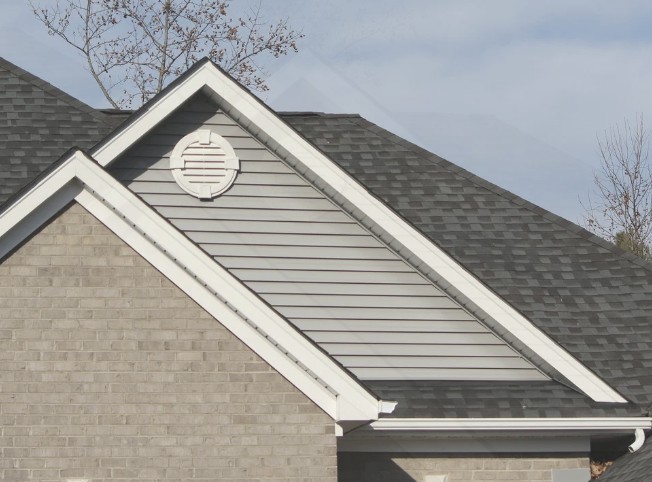
When you look at a house, the slope of the roof — known as the roof pitch — is one of the most defining features. But roof pitch is more than just a design choice. It plays a major role in how well your roof sheds water, handles wind, and stands up to Florida’s unique climate.

In this post, we’ll break down what roof pitch is, how it’s measured, and why it matters so much for homeowners in the Sunshine State.

What Is Roof Pitch?

Roof pitch is the angle or steepness of your roof, usually expressed as a ratio of how much the roof rises vertically compared to how far it extends horizontally. For example, a pitch of 4:12 means the roof rises 4 inches for every 12 inches of horizontal run.

Why Roof Pitch Is Important in Florida

Florida’s mix of heavy rain, hurricane-force winds, and intense sun means roof pitch isn’t just about looks, it’s about performance.

1. Drainage Efficiency

  • Steeper pitches allow rainwater to run off faster, reducing the chance of pooling and leaks.
  • Low-slope or flat roofs require specialized materials like TPO or modified bitumen to ensure proper water drainage.

2. Wind Resistance

  • Lower pitches may have less wind uplift in storms, but need strong sealing systems.
  • Steeper roofs can catch more wind, so material fastening is critical in hurricane zones.

3. Material Compatibility

  • Shingles typically need at least a 4:12 pitch to shed water effectively.
  • Metal roofing can work on a wider range of pitches and performs well in Florida’s climate.
  • Tile roofs are often installed on moderate to steep pitches for both drainage and style.

How to Determine the Right Pitch for Your Home

The ideal pitch depends on:

  • Your roofing material – Some materials aren’t suited for low slopes.
  • Your home’s architecture – Certain designs require specific angles.
  • Local building codes – Florida’s codes account for wind zones and rainfall.

Can You Change Your Roof Pitch?

Altering a roof’s pitch is possible, but it’s a major construction project that usually involves reframing. For most homeowners, the smarter choice is to choose the best roofing material for the existing slope.

The science of roof pitch affects everything from how your home handles heavy rain to how well it resists hurricane winds. Understanding it helps you make smarter decisions when replacing or repairing your roof.
Categories
Uncategorized

What Homeowners Need to Know About Roof Inspections After a Storm

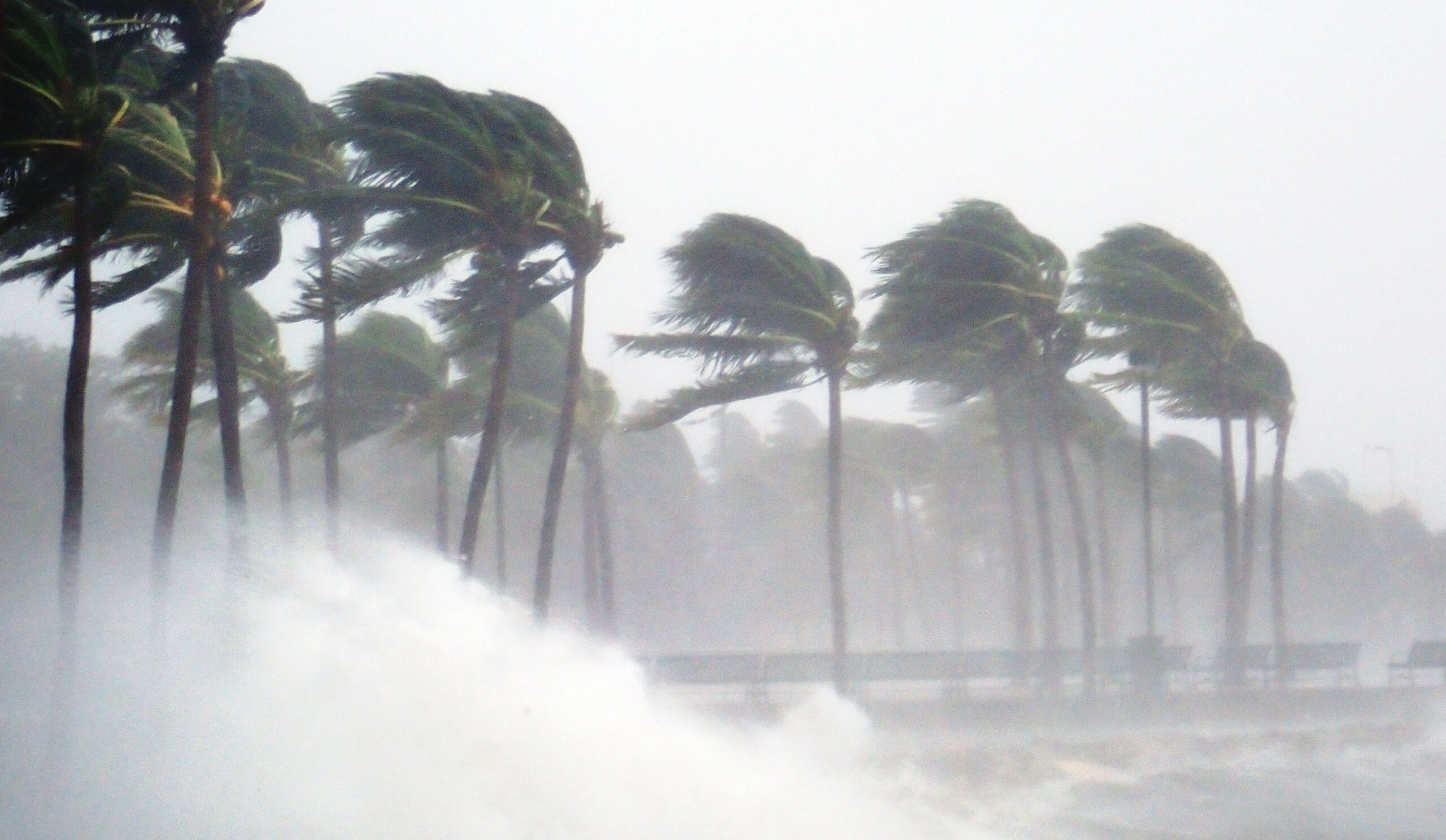
In Florida, storms are part of life — from summer thunderstorms to hurricane season. While it’s tempting to breathe a sigh of relief once the skies clear, the real work often starts afterward. Storm damage to your roof isn’t always obvious, and catching it early can save you thousands in repairs. Here’s what every homeowner should know about post-storm roof inspections.

Why Post-Storm Inspections Matter:

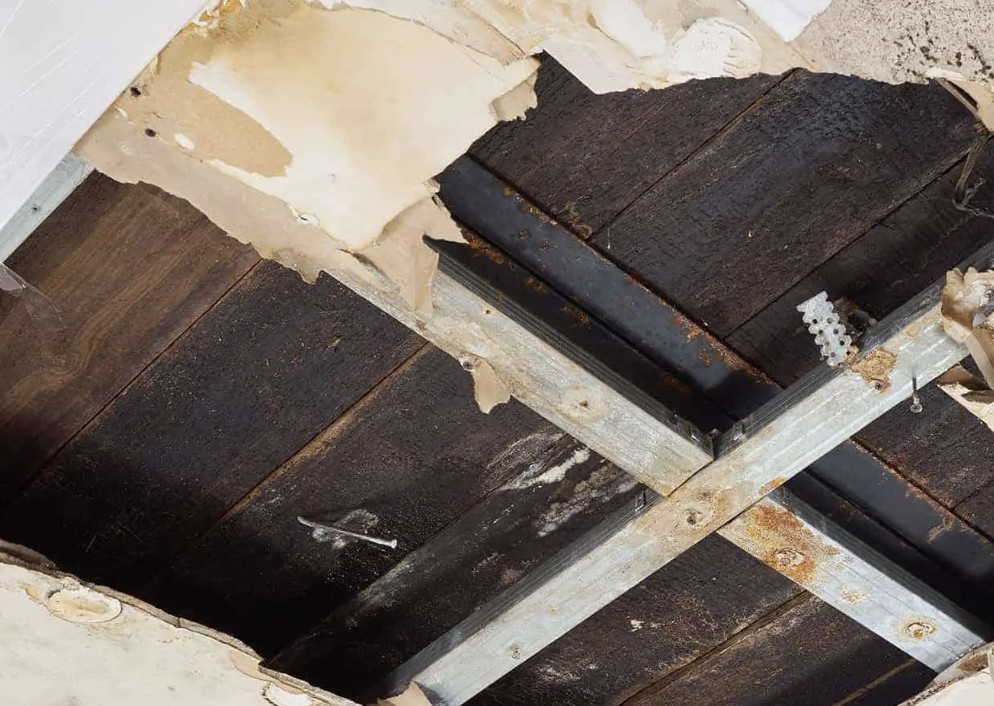
Even if your roof looks fine from the ground, wind, rain, and flying debris can cause hidden damage. Cracked shingles, lifted flashing, or small leaks may go unnoticed until they lead to bigger problems like water intrusion, mold, or structural damage.

Signs You Might Have Storm Damage:

  • Missing or broken shingles or tiles
  • Granules in gutters or downspouts (for shingle roofs)
  • Bent or damaged flashing
  • Water stains on ceilings or walls
  • Loose debris on the roof (branches, leaves, etc.)

Why You Shouldn’t Delay an Inspection:

The sooner you identify damage, the faster it can be repaired, often before it worsens or before your insurance claim window closes. Waiting too long can make repairs more expensive and jeopardize coverage.

DIY vs. Professional Inspections:

While you can do a visual check from the ground, climbing onto the roof after a storm is dangerous. A professional roofer has the safety equipment and trained eye to spot damage you might miss and can provide documentation for insurance purposes.

Working With Your Insurance Company:

If damage is found, your roofer can help you navigate the claims process by providing photos, detailed reports, and repair estimates. This documentation is key to getting the coverage you deserve. Don’t wait for leaks to appear before taking action. Scheduling a professional roof inspection after a storm is one of the smartest and safest things you can do to protect your home and your investment.

Categories
Uncategorized

Roof Leaks: Why They Happen and How to Fix Them

A roof leak is more than just an annoying drip — it’s a sign your home’s first line of defense is compromised. Left unchecked, even a small leak can lead to costly repairs, mold growth, and structural damage. In Florida, where heavy rain and hurricane-season storms are common, understanding the causes and solutions for roof leaks is critical.

Common Causes of Roof Leaks

  • Damaged or Missing Shingles – high winds, hail, or aging shingles can leave gaps where water can sneak in.
    • Florida tip: Shingles can degrade faster under our intense sun, so regular inspections are key.
  • Faulty Flashing – flashing seals the areas where your roof meets chimneys, skylights, or vents. If it’s cracked, corroded, or improperly installed, it can let water through.
  • Clogged Gutters – when gutters are blocked by leaves and debris, water can back up under shingles or pool along the roofline, eventually seeping inside.
  • Roof Vent or Skylight Leaks – improperly sealed vents or skylights can let rainwater in, especially during driving storms.
  • Poor Installation or Repairs – a roof that wasn’t installed to Florida’s strict building codes — or repairs that cut corners — can be more prone to leaks.

Signs You Might Have a Roof Leak

  • Water stains on ceilings or walls
  • Dripping water during or after storms
  • Mold or mildew smells in the attic
  • Peeling paint or bubbling drywall

How to Fix a Roof Leak

  • Identify the Source – leaks often appear far from the actual entry point, so a professional inspection is the best way to track them down.
  • Make Temporary Repairs – if water is coming in during a storm, a tarp can be a temporary fix — but don’t rely on it for long-term protection.
  • Professional Repair or Replacement – depending on the damage, you may need shingle replacement, flashing repair, or in severe cases, a partial or full roof replacement.

Prevent Future Leaks

  • Schedule regular roof inspections (especially after major storms)
  • Keep gutters clean
  • Trim trees away from your roof
  • Address minor repairs before they turn into bigger problems

Roof leaks can happen for many reasons, but fast action can prevent major damage. In Florida’s climate, staying proactive with inspections and maintenance is the best defense.

Categories
Uncategorized

Five Common Roofing Myths Florida Homeowners Shouldn’t Believe

When it comes to protecting your Florida home, your roof is one of your biggest investments. Unfortunately, there’s a lot of misinformation out there, and believing the wrong thing can lead to costly repairs or even a premature replacement. Let’s bust five common roofing myths so you can make smart, informed decisions for your home.

Myth #1 – “If My Roof Looks Fine, It’s Fine”

Just because you can’t see damage from the ground doesn’t mean your roof is in perfect shape. In Florida, hidden issues like small leaks, loose flashing, or underlayment damage can cause big problems down the road. Regular inspections can catch these before they become emergencies.

Myth #2 – “A New Roof Will Last as Long as the Warranty Says”

Warranties can be tricky. Many only cover certain materials, not labor, and they often have maintenance requirements. Plus, our hot, humid climate and hurricane season can shorten the lifespan of roofing materials compared to other states.

Myth #3 – “Any Contractor Can Handle a Roof Replacement”

Not all contractors have the experience, licensing, or insurance to handle Florida’s unique roofing requirements. Always choose a licensed, insured roofer familiar with local codes and weather conditions.

Myth #4 – “Metal Roofs Are Noisy in the Rain”

Modern metal roofs are installed over insulation and underlayment that minimizes noise. In fact, many homeowners say they’re no louder than shingle roofs during storms, plus they offer excellent durability against Florida weather.

Myth #5 – “You Can’t Install a New Roof in Summer”

While Florida summers bring heat and rain, skilled roofers work year-round. With proper planning and weather monitoring, summer installations are not only possible but common.

Your roof is too important to gamble on myths. If you have questions about roof maintenance, repairs, or replacement in Florida, get the facts from a trusted local roofing professional.