Categories
Uncategorized

How Skylights Impact Roofing Systems and What to Watch For

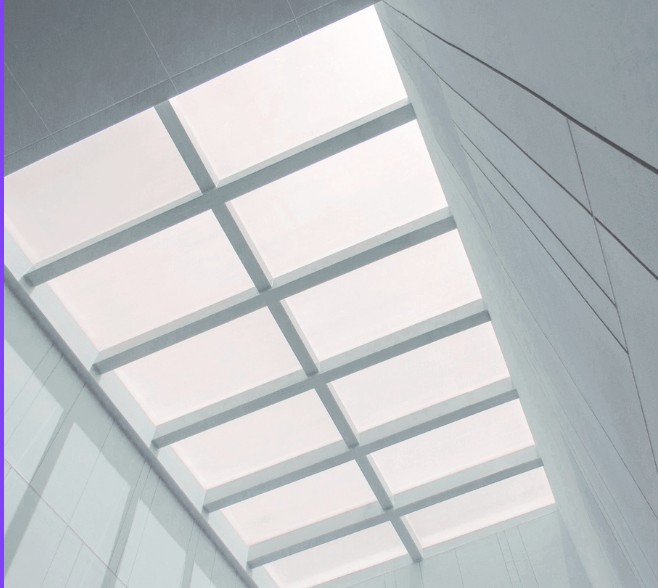
Skylights are a beautiful way to bring natural light into your home, but they can complicate your roof system if not properly installed or maintained. In Florida’s storm-prone, humid environment, skylights are one of the most common sources of leaks and water intrusion.

Here’s why skylights need special attention:

  • Flashing is Critical: The area where the skylight meets your roof must be sealed with high-quality flashing and underlayment to prevent leaks. Over time, Florida heat and rain can degrade these seals.
  • Installation Matters: Improper installation (or using poor-quality skylights) increases the risk of leaks and condensation buildup, especially in high-moisture areas like bathrooms and kitchens.
  • Inspection Is Key: Skylights should be inspected as part of your regular roof maintenance. Look for cracked glass, fogging between panes, or signs of moisture around the ceiling.

If you’re installing a new roof and your home already has skylights, it’s wise to replace or upgrade them during the project. Doing so allows the skylights to integrate seamlessly with your new roofing system, ensures all flashing and seals are up to date, and reduces the chance of future leaks. Waiting to replace skylights later often means disturbing a perfectly good roof just to address a single problem.

Skylights can absolutely be an asset to your home, but only if they’re properly installed, maintained, and inspected regularly. In Florida, the key to enjoying their benefits without added headaches is working with a roofing contractor who understands how to protect vulnerable roof areas against our state’s unique weather conditions.

If you’re planning a roof replacement, or if you’re noticing signs of wear around your skylights, now is the time to schedule an inspection.

Categories
Uncategorized

How to Read a Roofing Estimate: A Homeowner’s Guide

Getting a roofing estimate can feel overwhelming, especially when you’re comparing bids from multiple contractors. But understanding what’s included and what’s not is key to making an informed decision.

Most professional roofing estimates will include these components:

  1. Scope of Work: This section explains exactly what the contractor is offering to do. Is it a complete tear-off and replacement of your existing roof, or just a repair in a specific area? The scope should be specific enough that you understand the full extent of the project.
  2. Materials Breakdown: Not all roofing materials are created equal. A strong estimate will list specific products and brands for shingles, underlayment, flashing, and other components. This matters because the quality, durability, and warranty coverage can vary widely. For Florida homeowners, where resistance to wind, UV rays, and moisture is critical, knowing exactly what’s being installed is non-negotiable.
  3. Project Timeline: How long will the job take? When will the contractor start? A professional estimate should outline both the projected start date and the expected duration of the project. This allows you to plan around business operations, tenants, or your household schedule.
  4. Labor & Cleanup: Roofing isn’t just about materials—it’s about the team doing the work. Estimates should include labor costs and outline daily cleanup practices, including how debris will be handled and whether disposal fees are included. A contractor who prioritizes site cleanliness is usually one who prioritizes quality across the board.
  5. Warranties: Every roofing estimate should detail both workmanship warranties (offered by the contractor) and product warranties (offered by the manufacturer). Workmanship warranties protect you against installation errors, while manufacturer warranties cover defects in the materials themselves. Together, these provide assurance that your roof will perform as expected for years to come.

Not all estimates are created equal. If an estimate is vague, missing details, or overly general, it’s a sign you may face hidden costs down the road. Look out for:

  • A lack of itemization (just a lump sum total with no breakdown)
  • No mention of cleanup or debris removal
  • Missing warranty information
  • Unspecified materials (just “shingles” without a brand or product line)

A solid estimate should be clear, itemized, and leave no room for surprise charges later. If something’s unclear, always ask! A trustworthy contractor will walk you through every line.

It’s natural to compare numbers first, but the lowest bid doesn’t always equal the best value. Contractors who cut corners on materials or labor often deliver results that won’t hold up in Florida’s harsh climate. Instead, compare “apples to apples.” Make sure each estimate includes similar scopes, materials, and warranties so you’re evaluating them fairly!

Categories
Uncategorized

The Real Cost of Delaying Commercial Roof Replacement

For many business owners, replacing a roof often feels like a project that can wait. Between the upfront expense and the challenge of scheduling work around daily operations, it’s tempting to put it off for “just one more year.” But in Florida’s climate, delaying roof replacement can turn a manageable investment into a costly emergency.

Unlike other regions, Florida businesses face constant wear and tear on roofing systems. The sun’s intense UV rays break down roofing membranes, heavy rains test drainage systems, and hurricane-season winds put every seam, fastener, and flashing detail under pressure. A roof that’s already nearing the end of its lifespan is much more vulnerable, and once problems start, they rarely stay small.

Water intrusion is the most common, and often most expensive, consequence of waiting too long. Even a minor leak can spread quickly under the surface, damaging insulation, rotting decking, and making its way into ceilings, walls, or stored inventory. The hidden nature of roof leaks means that by the time you see water stains or mold inside your building, the repair costs are already mounting.

When a roof is compromised, the true costs go far beyond patching leaks. Some of the most significant risks include:

  • Operational disruptions: Emergency leaks or interior damage can force you to halt business activities until repairs are made.
  • Property damage: Water damage can ruin equipment, merchandise, or tenant spaces—expenses often not fully covered by insurance.
  • Energy inefficiency: Deteriorating membranes and insulation let hot air in and cool air out, driving up energy bills month after month.
  • Code and compliance issues: Florida building codes require roofing systems to meet specific standards for wind and water resistance. A neglected roof can put you out of compliance, adding legal and insurance complications.
  • Liability risks: If you’re aware of roof issues, but fail to act, insurance claims may be denied, or worse, you could face liability for damages.

Some roof issues may seem minor, but they’re often early indicators of bigger problems to come. Watch for:

  • Frequent leaks or pooling water after rain
  • Bubbling, blistering, or cracking in the membrane
  • Rising energy costs despite no changes in use
  • Water stains on ceilings or walls inside your building
  • Mold or mildew growth near rooflines or HVAC units

These signs should trigger immediate action. Even if replacement isn’t needed right away, addressing them early can extend the life of your roof and give you time to budget for a full replacement.

Replacing your roof on your own timeline, rather than reacting to emergencies, gives you the advantage. You can plan the project during slower seasons, choose the best materials for your building, and often secure better pricing by avoiding rushed, emergency repairs. Most importantly, proactive replacement ensures continuity for your business, minimizing surprises and protecting your bottom line.

Your commercial roof is more than just a cover over your building, it’s keeps your business, employees, and customers protected. Putting off replacement may save money in the short term, but in Florida’s climate, the long-term costs can be far greater.

If your roof is aging or showing signs of wear, now is the time to start planning. It’s important to find an experienced roofer who can evaluate your roofing systems and help weigh your options, so that you invest in solutions built to last.

Categories
Uncategorized

Choosing the Right Commercial Roofing System for Your Florida Business

When it comes to protecting your commercial property, your roof is one of the most important investments you’ll ever make. Florida’s climate brings a unique set of challenges: intense sun, high humidity, heavy rains, and the constant threat of tropical storms.

A quality commercial roofing system not only shields your building from the elements, but it also plays a role in energy efficiency, tenant comfort, and even your bottom line. Whether you’re replacing an aging roof or planning a new construction project, understanding the options available can help you make a confident, long-term decision.

Why Your Roofing Choice Matters in Florida

Florida businesses face conditions unlike almost anywhere else in the country. UV exposure from year-round sunshine can break down weaker roofing materials, while sudden downpours and hurricane-force winds put seams, fasteners, and drainage systems to the test. On top of that, rising energy costs make it more important than ever to consider how your roofing system impacts cooling efficiency.

Choosing the right roof is more than just about durability; it’s about balancing performance, cost, and energy savings in a way that makes sense for your property.

Popular Commercial Roofing Options:

  • TPO (Thermoplastic Polyolefin) TPO has become one of the most common commercial roofing materials for good reason. Its bright white, reflective surface helps reduce cooling costs by keeping roof temperatures lower in Florida’s hot sun. TPO is also resistant to algae, tears, and chemical exposure, making it a low-maintenance option for flat or low-slope roofs. For businesses looking to maximize energy efficiency, TPO is often a smart choice.

  • Modified Bitumen: Modified bitumen is a time-tested roofing system made up of multiple layers that provide strength and resilience. It performs well under heavy foot traffic, making it a practical option for businesses that need rooftop access for equipment or maintenance. Modified bitumen is also designed to handle Florida’s temperature swings and heavy rains, providing reliable waterproofing at an affordable price point.

  • Metal Roofing: Metal roofing systems may come with a higher upfront cost, but they offer exceptional longevity—often lasting 40 years or more with proper care. Metal is lightweight, fire-resistant, and highly durable against high winds, making it a strong option for sloped commercial buildings. With the right insulation, metal roofs can also help reduce heat transfer and improve energy efficiency. Their sleek appearance is a bonus for businesses looking to elevate curb appeal.

The best roofing system for your business will depend on several factors:

  • Building structure: Flat vs. sloped roofs call for different materials and installation methods.

  • Budget: Consider both upfront costs and long-term savings from energy efficiency or reduced maintenance.

  • Usage: Roofs with high foot traffic or heavy equipment may require more durable materials.

  • Florida building codes: Your roof must meet strict wind and safety standards, especially in hurricane-prone areas.

Working with an experienced commercial roofing contractor is essential. A professional can evaluate your property, explain the pros and cons of each system, and recommend solutions tailored to your needs.