Categories
Uncategorized

A Business Owner’s Guide to Commercial Roof Replacement in Florida

As a Florida business owner, your roof is more than just overhead protection, it’s critical to your property’s value, safety, and day-to-day operations. When your commercial roof reaches the end of its lifespan or sustains significant damage, a replacement may be necessary to protect your investment.

In this guide, we’ll walk you through what to expect, how to prepare, and what to look for when replacing a commercial roof in Florida.

Signs It’s Time to Replace Your Commercial Roof

Some signs of roof failure are obvious, while others require a professional inspection. 

Common indicators include:

  • Persistent leaks or water stains inside the building
  • Visible damage to roofing materials (cracks, blistering, or ponding water)
  • Rising energy costs from poor insulation or ventilation
  • Age: Flat and low-slope roofs typically last 15–25 years
  • Failed repairs or chronic maintenance issues

Understand Florida-Specific Requirements

Florida’s building codes are among the strictest in the country due to our climate and hurricane risk. This means:

  • Wind uplift requirements must be met depending on your location and roof system.
  • Energy codes require compliant insulation and reflective surfaces in some areas.
  • Permit and inspection requirements vary by municipality, but are always necessary for full replacements.

Working with a licensed Florida roofing contractor who understands local codes is key to avoiding delays, fines, or insurance issues.

Choosing the Right Commercial Roofing System

Given Florida’s climate, it’s important to consider which roofing material is the best fit for your commercial building. Common options include:

  • TPO (Thermoplastic Polyolefin): Energy-efficient, UV resistant, and cost-effective
  • Modified Bitumen: Durable and reliable for flat roofs
  • Metal Roofing: Long-lasting and strong against Florida’s storms
  • Built-Up Roofing (BUR): Traditional option with good waterproofing when properly maintained

The best system depends on your building’s structure, budget, and environmental exposure.

Plan for Minimal Disruption

Replacing a commercial roof can be a significant project, but the right contractor will work to minimize the impact on your business. Make sure to:

  • Schedule work during off-hours or slower periods if possible
  • Communicate with tenants, employees, or customers ahead of time
  • Protect equipment, inventory, and sensitive areas beneath work zones

Your roofing contractor should provide a detailed timeline and work schedule so you can plan accordingly.

Understand the Costs & ROI

Commercial roof replacement is a major investment, but it often pays off in:

  • Reduced energy costs with better insulation and reflectivity
  • Lower maintenance needs over time
  • Improved property value and tenant appeal
  • Extended warranties for peace of mind

Costs will vary depending on roof size, system type, accessibility, and local code requirements. Be sure to request a detailed estimate and beware of bids that seem too good to be true.

Why Choose a Florida-Based Roofing Contractor

Local knowledge matters. A Florida-based commercial roofer brings:

  • Experience with hurricane-ready systems and wind uplift ratings
  • Familiarity with local permitting and inspection processes
  • Insight into what materials perform best in Florida’s sun, rain, and heat

Ready to Replace Your Commercial Roof?

If you’re experiencing leaks, aging materials, or want to upgrade to a more energy-efficient system, it may be time for a replacement. Contact us today to schedule a roof inspection, learn about the best options for your commercial property, and get a custom and fair quote.

Categories
Uncategorized

Roof Decking in Florida: The Hidden Layer That Supports Your Roof

When it comes to your roof, most people think about shingles, tiles, or maybe even metal panels. But there’s one important layer that lies just beneath the surface – roof decking, and it plays a major role in the strength and lifespan of your entire roofing system.

If you’re planning a roof replacement in Florida, understanding what roof decking is, and the different types used in our climate, can help you make better decisions about your home.

What Exactly Is Roof Decking?

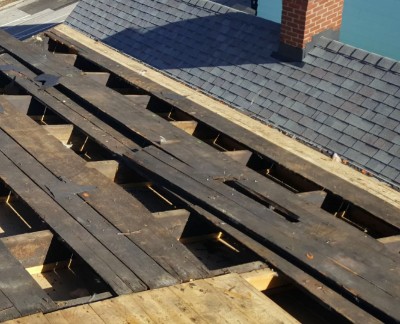
Roof decking (also known as sheathing) is the wooden surface that’s installed directly onto your home’s rafters or trusses. It provides the base for your underlayment and final roofing material, whether that’s shingles, tile, or metal. Think of it as the foundation that holds everything together.

In Florida, roof decking also needs to meet specific building codes to withstand high winds, heavy rain, and humid conditions. It acts as more than a structural layer, it’s a protective one, too.

Why Roof Decking Matters in Florida

Because Florida is no stranger to hurricanes, tropical storms, and intense sun exposure, your roof decking has to be both strong and moisture-resistant. If the decking is weak, rotted, or improperly installed, the entire roofing system is at risk. Insurance companies in Florida also pay close attention to roof structure, and damaged decking can affect your eligibility or rates.

When a Florida roofing contractor inspects or replaces your roof, one of the first things they’ll check is the condition of the decking underneath.

The Most Common Types of Roof Decking

In Florida homes, two types of roof decking are used most often: plywood and oriented strand board (OSB).

Plywood is the more traditional choice. It’s made from layers of wood veneer pressed together and is known for its strength and resistance to moisture. Many homeowners and contractors prefer plywood because it performs well in Florida’s humid climate and is less likely to swell or weaken over time.

OSB is a more cost-effective alternative. It’s made from compressed wood strands and adhesives. OSB has a smooth, uniform surface and is widely used in modern construction. However, it can be more vulnerable to moisture damage if exposed to water for extended periods, which is something to consider during Florida’s rainy season.

Some older homes in Florida may still have tongue-and-groove wood planks or spaced board decking. While these were common decades ago, they often need to be replaced or upgraded to meet current building codes and to support modern roofing materials properly.

What Happens During a Roof Replacement

When replacing a roof in Florida, it’s not uncommon to find sections of decking that have been damaged by leaks, pests, or just age. A good roofing contractor will remove the old roofing materials, inspect the decking underneath, and replace any sections that are no longer safe or up to code. This step is essential to ensure your new roof lasts as long as it should.

Work With a Florida Roofing Contractor You Can Trust

A strong roof starts with a solid foundation, and that means high-quality roof decking. Whether you’re replacing shingles, installing a new metal roof, or upgrading from an older system, work with a qualified roofing contractor to make sure your decking is in top condition and meets all Florida building standards.

Categories
Uncategorized

Best Practices for Roof Maintenance in Florida as Hurricane Season Approaches

Hurricane season runs from June 1st through November 30th, and if you’re a homeowner here in Florida, you know just how critical it is to prepare your property in advance. Your roof is your first line of defense against high winds and heavy rains, so giving it some attention now can save you from major headaches and costly repairs down the road.

Here are some best practices for maintaining your roof before the storms roll in:

Schedule a Professional Roof Inspection

Even if your roof looks fine from the ground, hidden damage can weaken its ability to protect your home. A licensed roofing contractor can inspect for missing or damaged shingles, soft spots, flashing issues, and other vulnerabilities that might not be obvious.

Clear Debris from the Roof and Gutters

Leaves, branches, and other debris can clog your gutters and downspouts, causing water to back up under your roofing materials. Keep gutters and roof surfaces clean to ensure proper drainage and reduce stress on your roof structure.

Trim Nearby Trees

Overhanging branches can scrape or puncture your roof during strong winds and pose a major hazard. Trimming back trees not only protects your roof but also reduces the amount of debris that can pile up on it.

Check and Secure Roof Flashing

Flashing, the metal strips around chimneys, vents, and skylights, are common failure points during storms. Make sure your flashing is sealed and securely fastened to prevent wind-driven rain from seeping in.

Reinforce or Replace Loose Shingles or Tiles

High winds can easily rip off loose shingles or tiles, leaving your roof exposed. Replacing or securing them now can prevent bigger damage when the storm hits.

Review Your Insurance and Keep Records

Before hurricane season kicks into full gear, it’s a smart move to review your homeowner’s insurance policy and take photos of your roof and property. Documentation can help speed up the claims process in the event of storm damage.

Peace of Mind Starts at the Top

Taking proactive steps now can go a long way in protecting your home this hurricane season. Stay safe and protected, Florida!

Categories
Uncategorized

Top Causes of Roof Leaks in Florida and How to Prevent Them

Florida’s intense climate brings extreme heat, heavy rains, and frequent storms, posing specific challenges to maintaining a leak-free roof. Understanding the common culprits behind roof leaks can help homeowners take proactive steps to protect their homes.

Here are the most common causes of roof leaks in the Sunshine State:

Weather-Related Damage: Florida’s susceptibility to heavy rains, high winds, and hurricanes means roofs often endure significant stress. Over time, this can lead to wear and deterioration, increasing the likelihood of leaks.

Damaged or Missing Shingles: Shingles can become cracked, curled, or go missing due to severe weather conditions like heavy rain, strong winds, or hail. Regular inspections can help identify damaged shingles early, preventing water from seeping into your home.

Cracked Flashing: Flashing is a thin metal material installed under shingles and on the joints of your roof to create a water-resistant barrier. Over time, flashing can corrode, crack, or become loose, allowing water to penetrate the roof structure.

Clogged Gutters: Leaves, branches, and other debris can clog your gutters and downspouts, causing water to back up under your roofing materials. This is especially risky during heavy downpours common in Florida.

Improper Installation: Improperly installed roofing materials or components can lead to gaps and vulnerabilities, making it easier for water to infiltrate. Ensuring that your roof is installed by experienced professionals is crucial.

Aging Roof Materials: Over time, roofing materials degrade due to constant exposure to sun, rain, and wind. The natural wear and tear weaken the roof’s ability to resist water infiltration, making it one of the most common roofing issues.

Poor Ventilation: Without proper ventilation, your attic traps heat and moisture, leading to warping, rot, and leaks. Adequate intake and exhaust vents are essential to maintain the longevity of your roof.

Valley Leaks: Roof valleys, where two roof slopes meet, are prone to leaks if not properly sealed. Ensuring that these areas are adequately protected can prevent water from penetrating your roof.

Preventive Measures:

  • Regular Inspections: Schedule professional roof inspections at least once a year, especially before and after hurricane season.
  • Prompt Repairs: Address any signs of damage immediately to prevent minor issues from escalating.
  • Proper Maintenance: Keep gutters clean, trim overhanging branches, and ensure proper attic ventilation.

Being aware of these common causes of roof leaks and taking proactive steps can save Florida homeowners significant time and money!

Categories
Uncategorized

Keep the Sale on Track: Roofing Solutions for Realtors That Close Deals

As a Florida realtor, you’ve likely had it happen: the house is under contract, the inspection report comes, and suddenly, an old or damaged roof threatens to derail the deal. But here’s the good news: needed roof work doesn’t always mean a lost sale or upfront costs. In many cases, roof repairs or replacements can be paid for at closing – with just a small deposit to get started.

Here’s how to help homeowners get the roof work done without paying the full cost out of pocket upfront.

Why Roof Issues Matter in a Sale

Buyers, lenders, and insurance companies all want to see a roof in good condition. If the roof has visible damage, is near the end of its life, or doesn’t meet Florida’s current wind mitigation standards, it can trigger:

  • Insurance companies refusing coverage or demanding immediate replacement
  • Lenders requiring roof work before approving the mortgage
  • Buyers backing out due to the cost and hassle

The Solution: Pay at Closing Programs

In many cases, we can complete roof repairs or a full replacement and arrange for the majority of the cost to be paid out of the seller’s proceeds at closing. To legally bind the agreement and move forward with the job, a small deposit is required to allow us to schedule work, pull permits, and start the process.

This option gives sellers and agents the flexibility to move forward with the sale, while meeting the demands of buyers, lenders, and insurers.

How It Works:

  1. Inspection & Estimate – We quickly assess the roof and provide a written estimate.
  2. Deposit & Signed Agreement – The seller signs an agreement and provides a small deposit to begin the process.
  3. Work is Completed – We schedule the job quickly to meet your timeline.
  4. Final Payment at Closing – The remaining balance is made directly to us from the closing statement.

How All Parties Benefit From This Option:

  • Keeps the transaction moving forward
  • Minimal upfront cost for the seller
  • Helps properties qualify for insurance
  • Gives buyers confidence and peace of mind
  • Makes you, the agent, a problem solver (and a deal saver)
  • A new roof may even help justify a higher sale price, resulting in a better outcome for your seller and a higher commission for you

Partner With a Roofing Contractor Who Gets Real Estate

At 3MG, we understand the fast pace of real estate and what’s at stake. That’s why we prioritize fast estimates, reliable timelines, and clear communication with agents, sellers, and title companies.

If you’re a Florida realtor looking for a roofing partner you can trust, we’re here to help!

Categories
Uncategorized

Florida Roof Requirements: What Homeowners Need to Know

If you own a home in Florida, staying up to date with roofing requirements is crucial, not just for safety, but also to maintain your homeowners’ insurance coverage. Here are updated guidelines that every homeowner should understand.

Why Your Roof’s Age Matters in Florida

One of the most significant factors impacting your Florida homeowners’ insurance is the age of your roof. Insurance carriers are enforcing new limits:

  • Shingle roofs: Must be 15 years old or newer
  • Tile and metal roofs: Must be under 20 years old

If your roof is older than these thresholds, you need to obtain a roof certification inspection stating that your roof has five or more years of life remaining or you may be at risk of policy cancellation.

Roof Inspections for Insurance Purposes

To stay compliant, many insurance providers require a roof inspection before renewal. A licensed Florida roofing company can perform this service, offering:

  • A detailed roof certification inspection
  • Professional documentation and photos
  • An evaluation of your roof’s remaining useful life

Being proactive with inspections ensures you’re not caught off guard at renewal time.

A New Roof Can Lower Your Insurance Premiums

Investing in a roof replacement in Florida isn’t just about protection and safety, it can lead to insurance discounts and more favorable terms. Installing a new roof that meets the latest codes can increase your home’s value and improve energy efficiency.

Florida Building Code Compliance Is a Must

All roof repairs or replacements must meet the Florida Building Code. This includes:

  • Approved roofing materials
  • Proper underlayment
  • Secondary water barriers
  • Wind-resistant installation

Following these guidelines can also help you qualify for wind mitigation credits, a great way to save on your insurance premiums.

Work With a Trusted Florida Roofing Contractor

Qualified roofing contractors can help Florida homeowners navigate roof inspections, insurance requirements, and high-quality roof replacements that meet state standards. Whether you need an inspection, a repair, or a brand-new roof, utilizing a trusted Florida roofing contractor will help you stay protected and compliant.

Categories
Uncategorized

No H1 tag found

No div tag with specified classes found

Categories
Uncategorized

Residential vs. Commercial Roofing – Key Differences

As a Florida roofing contractor, I’ve had the privilege of working on both residential and commercial properties, and while the process of installing or repairing a roof may seem similar on the surface, there are significant differences between the two. Understanding these differences is helpful whether you’re a homeowner, business owner, or property manager.

🏡 Structure and Design:

  • Residential Roofing:
    • Sloped Roofs: Most residential roofs are pitched, meaning sloped, which helps water flow off.
    • Variety of Shapes: There are a variety of roof shapes for homes, including gable, hip, pyramid, and mansard roofs.
    • Aesthetics: Homeowners tend to prioritize design and curb appeal when choosing a roof.
  • Commercial Roofing:
    • Flat Roofs: Most commercial buildings have flat or low-slope roofs to maximize usable space.
    • Standardized Shapes: Commercial roofs are usually more uniform in design.
    • Functional: The design generally prioritizes durability and weather resistance over aesthetics.

🔨 Roofing Materials 

  • Residential Roofing:
    • Asphalt Shingles: The most common choice for residential roofs due to their affordability and variety of color options.
    • Tile: Particularly popular in Florida for its durability and ability to withstand the sun.
    • Metal: Increasingly popular for its longevity and energy efficiency.
    • Solar: A top choice for energy efficiency and lowering electricity costs.
  • Commercial Roofing:
    • TPO (Thermoplastic Olefin): A popular, energy-efficient material for flat roofs.
    • EPDM (Ethylene Propylene Diene Monomer): Known for its durability and weather resistance.
    • Modified Bitumen: A multi-layered system ideal for flat roofs.
    • Metal: Generally used for larger commercial buildings.

⚒️ Installation 

  • Residential Roofing:
    • Faster Installation: Residential roof installations are quicker due to the smaller scale and simpler structure.
    • Smaller Crew: A small crew of roofers typically handles the installation.
    • One Layer: Most homes use a single layer of roofing material.
  • Commercial Roofing:
    • Longer Installation: Commercial roofing takes longer because of the large area to cover and the complexity of the installation.
    • Larger Crew: More roofers to help with an efficient installation.
    • Multiple Layers: Commercial roofs often require several layers of materials for added insulation and protection.

💪 Maintenance and Durability

  • Residential Roofing:
    • Regular Maintenance: Residential roofs are designed to last. However, regular inspections and maintenance are essential, especially after storms.
    • Expected Lifespan: Depending on the material, residential roofs can last anywhere from 15-50 years.
  • Commercial Roofing:
    • Routine Inspections: Commercial roofs require frequent inspections due to their larger size and flat design, which can hold water and debris.
    • Longer Lifespan: Many commercial roofing materials are designed to last longer than residential options, sometimes up to 50 years or more with proper care.

📃 Permits and Codes

  • Residential Roofing:
    • Simpler Permitting: Homeowners often need to obtain permits for significant roof repairs or replacements, but the process is relatively straightforward.
    • Local Codes: Residential roofing must adhere to local building codes, especially in Florida, where hurricane resistance is a key factor.
  • Commercial Roofing:
    • Stricter Permitting: Commercial roofing projects typically require more detailed permits and approvals from local authorities.
    • Building Codes and Regulations: These roofs must meet higher safety standards, including fire resistance, insulation, and structural load requirements.

☀️ Weather Considerations in Florida

  • Residential Roofing:
    • Hurricane-Resistant Roofing: Florida homeowners must consider the impact of hurricanes, so roofs are built to withstand high winds and heavy rain.
    • Sun Exposure: Florida’s intense sun can cause roofing materials to deteriorate faster, so UV-resistant materials are essential.
  • Commercial Roofing:
    • Wind and Rain Resistance: Like residential roofs, commercial roofing must also be designed to handle Florida’s extreme weather conditions.
    • Energy Efficiency: With larger surfaces, commercial roofs may incorporate energy-efficient materials like reflective coatings to reduce heat absorption.

Whether you’re a homeowner looking to replace your roof or a business owner in need of a commercial roofing solution, it’s essential to understand the unique needs of each type of roof. By knowing the differences in design, materials, and maintenance, you can make a more informed decision for your roofing project.

Categories
Uncategorized

“They Not Like Us” – The Difference Between a Roofing Contractor and a Storm Restoration Contractor

As a Florida homeowner, you’ve likely encountered a roofing issue after a severe storm, hail, or hurricane. While looking for a contractor, you may have noticed that some offer more services than others. That’s because there are roofing contractors and storm restoration contractors. While both play important roles in keeping your home protected, there’s a difference between the two, which is particularly relevant after a storm.

At 3MG, we are storm restoration contractors, so let’s break down what sets us apart:

Roofing Contractors:

Roofing contractors are experts in roof systems and gutter installation and are trained to handle all things related to roof materials and repairs. Their scope of work includes:

  • Roof repairs
  • Roof replacements and installations
  • Gutter repairs and replacements
  • Maintenance and Inspections

Storm Restoration Contractors:

Storm restoration contractors, like 3MG, do more than just roofing work. While we are experts and specialize in roof inspections, repairs, replacements, and installations, what sets us apart is our ability to handle a variety of other repairs and restoration services for your entire home.

As a full-service storm restoration contractor, 3MG manages the entire restoration process from start to finish. After a storm, the damage can be widespread, including issues with your siding, stucco, gutters, chimney structures, ceilings, and drywall. Rather than dealing with multiple contractors for each repair, you can have one point of contact if you work with a storm restoration contractor.

Another key and advantageous differentiator of storm restoration contractors like 3MG is our experience working with insurance companies and navigating the claims process to help ensure you get the coverage and compensation you deserve for your storm damage repairs. As we approach storm season here in Florida, keep this in mind and reach out to 3MG with any questions or concerns after a storm. For a free roof inspection and peace of mind, it’s a worthwhile call.

Categories
Uncategorized

What Florida Homeowners Need to Know About Roofing Laws

As a home or business owner in Florida, being in the know on the state’s roofing laws is advantageous, given the extreme heat and severe storms that can wreak havoc to a structure’s roof. Whether you’re hiring a contractor to replace a roof or repairing damage after a storm, knowing Florida’s roofing laws can help you make informed decisions, ensuring that your project is safe, legal, and up to code.

Here’s a breakdown of essential roofing laws and regulations that contractors must follow and why, as a consumer, you should care.

📝 Licensing and Certification

In Florida, roofing contractors are required to hold a valid state license or local license issued through the Florida Department of Business and Professional Regulation (DBPR). A certified roofing contractor has passed a state-level exam and is licensed to work anywhere in Florida, while a registered roofing contractor is licensed in a specific locality and may only work in certain areas.

By hiring a licensed contractor, you are protecting yourself from any unforeseen issues. A licensed contractor is bonded and insured, so if something goes awry, you are not on the hook, it is their responsibility to right the wrong. Licensed contractors are required to stay up to date on safety regulations and building code laws to ensure all work done meets industry standards and passes inspections. As a homeowner, don’t just assume a contractor is licensed, ask to see an official license prior to hiring a contractor.

📝 Florida Building Code (FBC)

The Florida Building Code (FBC) is a set of standards, developed by the Florida Building Commission, that regulates building construction in Florida, ensuring buildings are safe, energy-efficient, and resistant to Florida’s extreme weather conditions, including hurricanes. FBC covers everything from structural integrity to wind load resistance and applies to all roof installations and repairs. 

As a Florida homeowner, insurance isn’t required, but more than highly recommended , as your home is often your largest asset. Insurance companies almost always require that your roof meets standards and codes to qualify for coverage and can help keep your premiums lower.  

A licensed roofing contractor should be informed and knowledgeable on FBC standards, ensuring your roof is repaired, replaced or installed within code, protecting your house from Florida’s weather and unexpected damages.

📝 Permits and Inspections

A permit is typically required for any roofing project in Florida. Whether it’s a new roof, a replacement or a repair, contractors need to submit a permit application, ensuring that the completed work is inspected for compliance with building code. Obtaining a permit for a roofing project also helps with future resale value as having proper permits and inspections proves that your roof is up to standards and that work was done within legal requirements.

It’s important that all necessary permits are pulled by your contractor prior to work commencing in order to protect yourself from running into any code issues down the line.

Insurance and Workers’ Compensation: Avoiding Liability

Roofing contractors in Florida are required by law to carry general liability insurance and workers’ compensation insurance. These policies protect both you and the contractor in case of accidents or damage during the roofing process.

Always ask for proof of insurance before hiring a contractor. 

Roofing laws in Florida protect both the contractors and home and business owners. By hiring a licensed, insured, and knowledgeable roofing contractor your roofing project will be done within the state’s building codes and regulations.

3MG is committed to adhering to all Florida roofing laws and providing our customers with quality craftsmanship on every project.