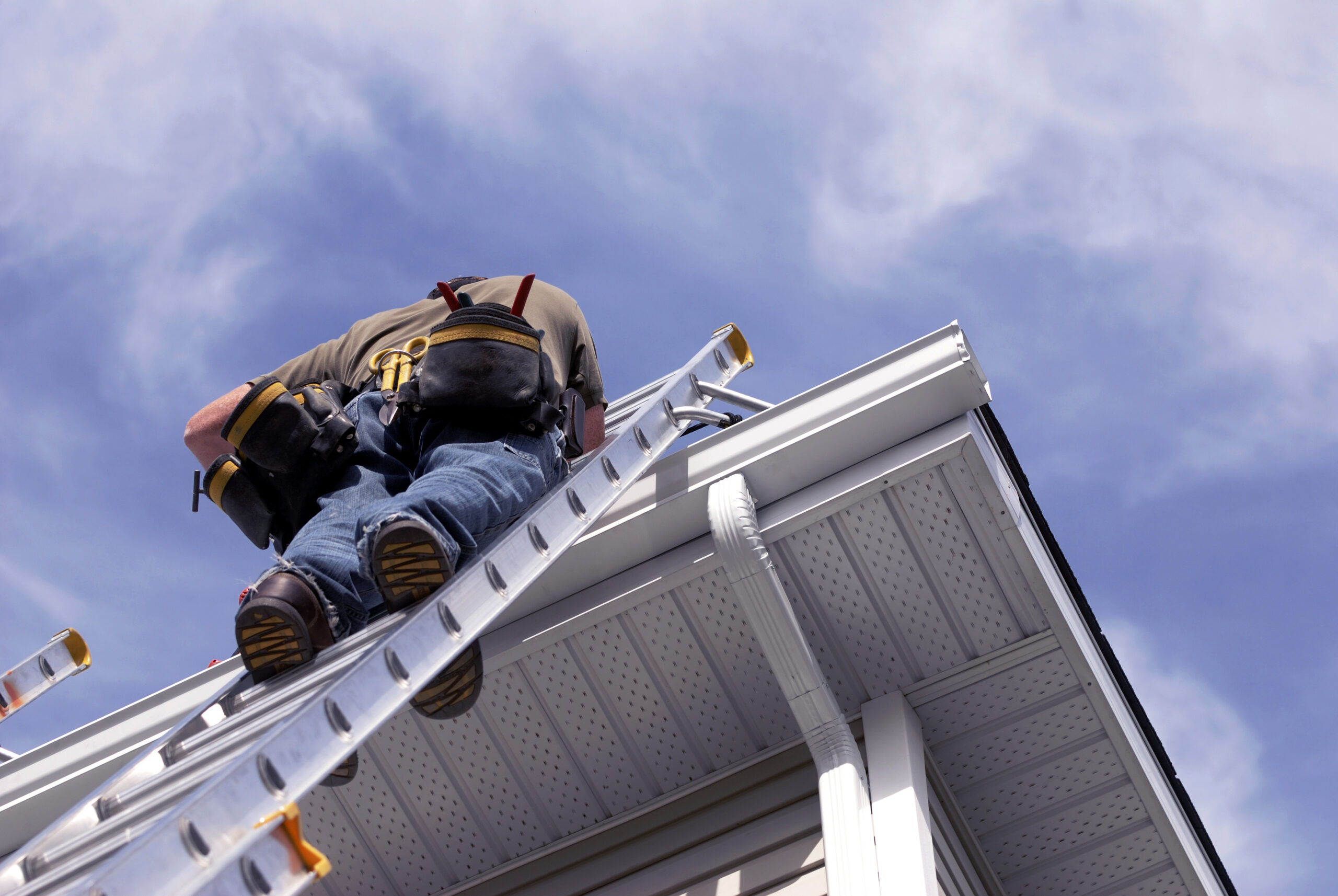
As a Florida roofing contractor, I’ve had the privilege of working on both residential and commercial properties, and while the process of installing or repairing a roof may seem similar on the surface, there are significant differences between the two. Understanding these differences is helpful whether you’re a homeowner, business owner, or property manager.
🏡 Structure and Design:
- Residential Roofing:
- Sloped Roofs: Most residential roofs are pitched, meaning sloped, which helps water flow off.
- Variety of Shapes: There are a variety of roof shapes for homes, including gable, hip, pyramid, and mansard roofs.
- Aesthetics: Homeowners tend to prioritize design and curb appeal when choosing a roof.
- Commercial Roofing:
- Flat Roofs: Most commercial buildings have flat or low-slope roofs to maximize usable space.
- Standardized Shapes: Commercial roofs are usually more uniform in design.
- Functional: The design generally prioritizes durability and weather resistance over aesthetics.
🔨 Roofing Materials
- Residential Roofing:
- Asphalt Shingles: The most common choice for residential roofs due to their affordability and variety of color options.
- Tile: Particularly popular in Florida for its durability and ability to withstand the sun.
- Metal: Increasingly popular for its longevity and energy efficiency.
- Solar: A top choice for energy efficiency and lowering electricity costs.
- Commercial Roofing:
- TPO (Thermoplastic Olefin): A popular, energy-efficient material for flat roofs.
- EPDM (Ethylene Propylene Diene Monomer): Known for its durability and weather resistance.
- Modified Bitumen: A multi-layered system ideal for flat roofs.
- Metal: Generally used for larger commercial buildings.
⚒️ Installation
- Residential Roofing:
- Faster Installation: Residential roof installations are quicker due to the smaller scale and simpler structure.
- Smaller Crew: A small crew of roofers typically handles the installation.
- One Layer: Most homes use a single layer of roofing material.
- Commercial Roofing:
- Longer Installation: Commercial roofing takes longer because of the large area to cover and the complexity of the installation.
- Larger Crew: More roofers to help with an efficient installation.
- Multiple Layers: Commercial roofs often require several layers of materials for added insulation and protection.
💪 Maintenance and Durability
- Residential Roofing:
- Regular Maintenance: Residential roofs are designed to last. However, regular inspections and maintenance are essential, especially after storms.
- Expected Lifespan: Depending on the material, residential roofs can last anywhere from 15-50 years.
- Commercial Roofing:
- Routine Inspections: Commercial roofs require frequent inspections due to their larger size and flat design, which can hold water and debris.
- Longer Lifespan: Many commercial roofing materials are designed to last longer than residential options, sometimes up to 50 years or more with proper care.
📃 Permits and Codes
- Residential Roofing:
- Simpler Permitting: Homeowners often need to obtain permits for significant roof repairs or replacements, but the process is relatively straightforward.
- Local Codes: Residential roofing must adhere to local building codes, especially in Florida, where hurricane resistance is a key factor.
- Commercial Roofing:
- Stricter Permitting: Commercial roofing projects typically require more detailed permits and approvals from local authorities.
- Building Codes and Regulations: These roofs must meet higher safety standards, including fire resistance, insulation, and structural load requirements.
☀️ Weather Considerations in Florida
- Residential Roofing:
- Hurricane-Resistant Roofing: Florida homeowners must consider the impact of hurricanes, so roofs are built to withstand high winds and heavy rain.
- Sun Exposure: Florida’s intense sun can cause roofing materials to deteriorate faster, so UV-resistant materials are essential.
- Commercial Roofing:
- Wind and Rain Resistance: Like residential roofs, commercial roofing must also be designed to handle Florida’s extreme weather conditions.
- Energy Efficiency: With larger surfaces, commercial roofs may incorporate energy-efficient materials like reflective coatings to reduce heat absorption.
Whether you’re a homeowner looking to replace your roof or a business owner in need of a commercial roofing solution, it’s essential to understand the unique needs of each type of roof. By knowing the differences in design, materials, and maintenance, you can make a more informed decision for your roofing project.